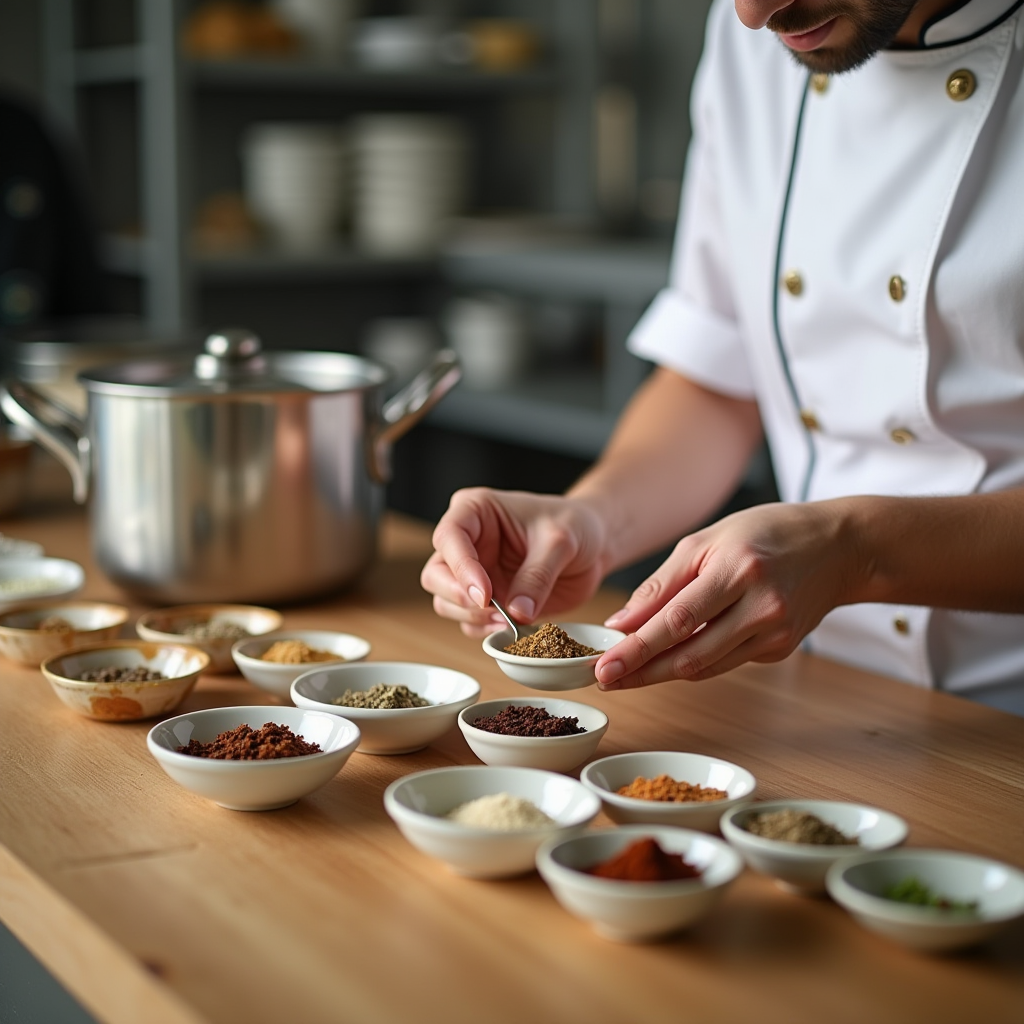
One of the most challenging skills for cooking students to develop is the ability to taste critically and adjust seasonings with confidence. Unlike following a recipe's measurements, seasoning judgment requires developing your palate through repeated practice and structured tasting exercises. This educational guide examines how students can systematically train their sense of taste and build the intuition needed to season dishes properly at every stage of cooking.
Many beginning cooks struggle with seasoning because they haven't learned to identify what's missing in a dish or how different tastes interact. By understanding the five basic tastes, practicing structured tasting exercises, and learning to layer seasonings throughout the cooking process, students can develop the palate sensitivity and confidence needed to season food effectively. This skill transforms cooking from mechanical recipe-following into intuitive flavor creation.
Understanding the Five Basic Tastes
Before students can develop seasoning judgment, they need to understand the five basic tastes that form the foundation of flavor perception: sweet, salty, sour, bitter, and umami. Each taste plays a specific role in creating balanced dishes, and learning to identify them individually helps students understand what adjustments a dish needs. This foundational knowledge transforms vague impressions like "something's missing" into specific actions like "this needs acidity" or "the salt level is too low."
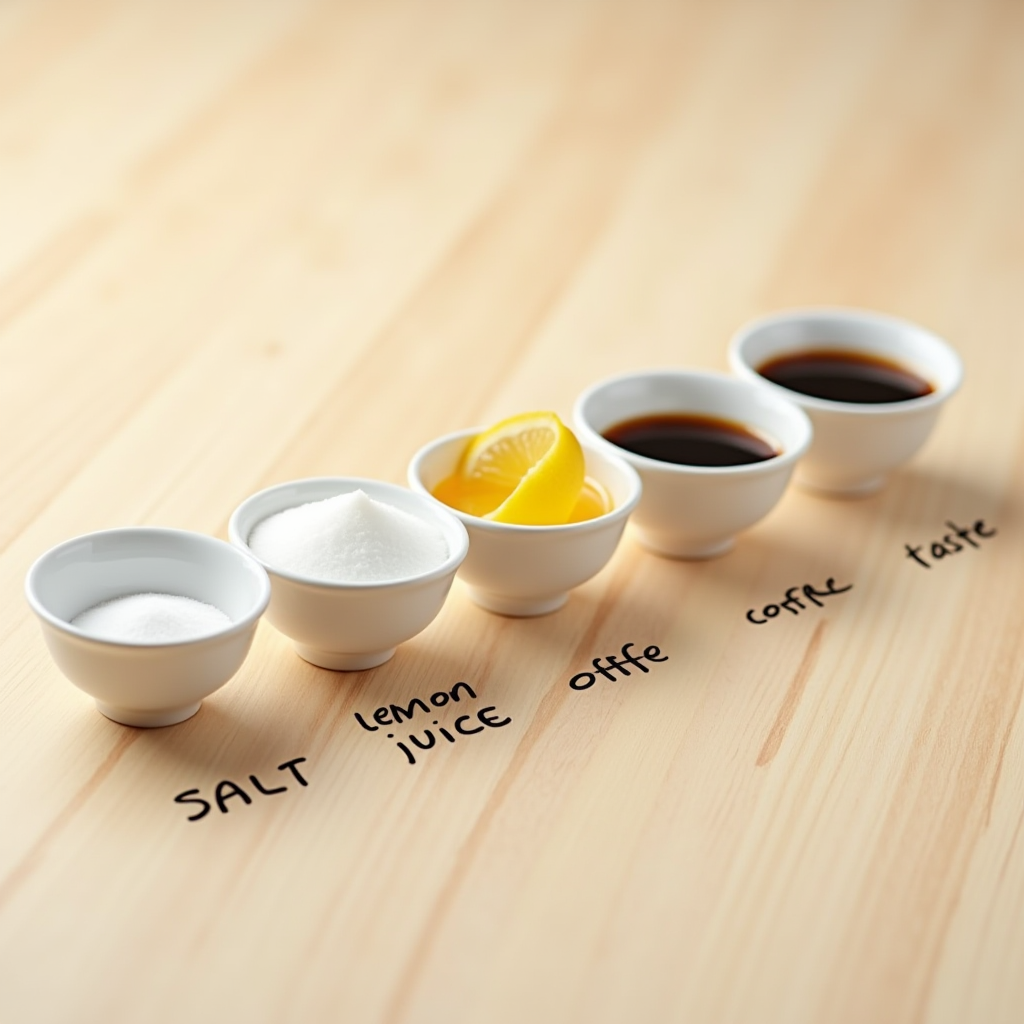
The five basic tastes form the foundation of seasoning judgment
Salt enhances other flavors and is often the first adjustment needed in underseasoned food. Students should practice tasting dishes at different salt levels to understand how salt brings out sweetness in vegetables, balances bitterness, and makes other seasonings more pronounced. A simple exercise involves preparing plain rice or pasta and tasting it with incrementally increasing amounts of salt to identify the point where flavors become clear and vibrant versus when the dish becomes oversalted.
Acidity from ingredients like lemon juice, vinegar, or tomatoes brightens dishes and cuts through richness. Students often overlook acidity as a seasoning tool, but it's frequently what makes a dish taste "complete." Practice tasting soups or sauces before and after adding a small amount of acid to understand how it lifts flavors and creates balance. The difference is often dramatic—a flat-tasting stew can transform with just a tablespoon of vinegar or squeeze of lemon.
Sweetness balances heat and acidity while adding depth to savory dishes. Students should learn that sweetness doesn't always mean sugar—caramelized onions, roasted carrots, and reduced tomatoes all contribute natural sweetness. Umami, the savory taste found in ingredients like mushrooms, aged cheese, soy sauce, and tomato paste, adds depth and satisfaction to dishes. Bitter tastes from ingredients like dark greens or coffee can add complexity when used carefully. Understanding how these five tastes interact allows students to diagnose flavor imbalances and make targeted corrections.
Structured Tasting Exercises for Palate Development
Developing seasoning judgment requires deliberate practice through structured tasting exercises. These exercises train students to identify specific tastes, recognize when dishes are properly seasoned, and understand how adjustments affect overall flavor. Regular practice with these exercises builds the palate sensitivity and confidence needed to season food intuitively during actual cooking.
"The difference between a good cook and a great cook often comes down to seasoning judgment. This skill can't be learned from recipes alone—it requires training your palate through repeated, focused tasting."
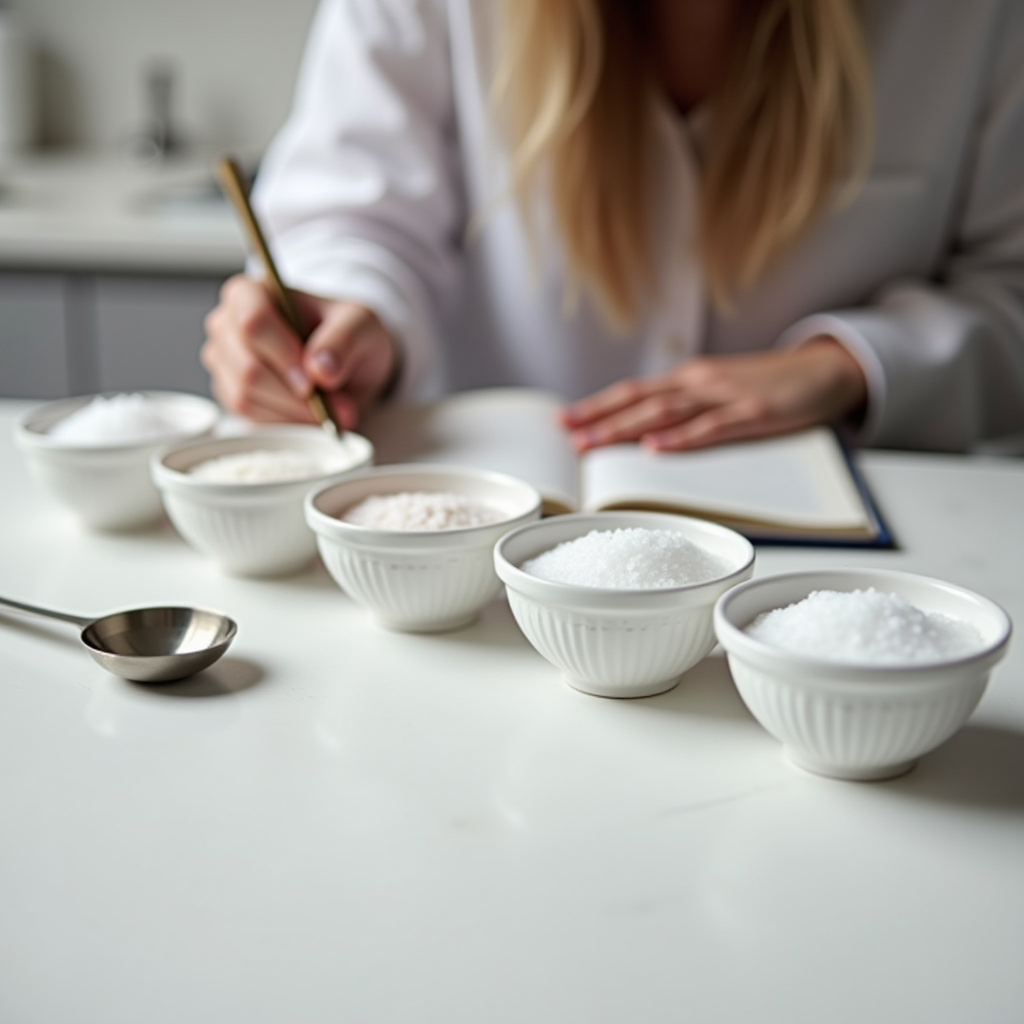
The salt progression exercise is fundamental for developing seasoning judgment. Prepare a simple base like chicken broth, plain rice, or mashed potatoes without salt. Divide it into five portions and add incrementally increasing amounts of salt to each portion, leaving one unsalted. Taste each portion in order, paying attention to how the flavors develop. Students typically find that the first additions of salt make the biggest difference, bringing out flavors that were hidden in the unsalted version. The optimal seasoning point is usually where flavors are clear and vibrant but salt itself isn't noticeable as a separate taste.
The acid balance exercise helps students understand how acidity affects dishes. Prepare a simple tomato sauce or vegetable soup and divide it into portions. Add different amounts of lemon juice or vinegar to each portion, tasting them in sequence. Students should notice how small amounts of acid brighten flavors and cut through richness, while too much acid makes the dish taste sharp or sour. This exercise is particularly valuable because many students don't think to add acid when adjusting seasonings, missing an important tool for creating balanced flavors.
The comparative tasting exercise involves preparing the same dish multiple times with different seasoning approaches. For example, make three batches of roasted vegetables: one seasoned before roasting, one seasoned after roasting, and one seasoned both before and after. Tasting these side by side helps students understand how timing affects seasoning effectiveness and flavor development. Similarly, comparing dishes seasoned with different salt types (table salt, kosher salt, sea salt) or different acids (lemon juice, white vinegar, red wine vinegar) builds awareness of how ingredient choices affect final flavors.
The blind tasting exercise challenges students to identify what's missing in underseasoned dishes. Prepare several simple dishes with deliberate seasoning deficiencies—one lacking salt, one lacking acid, one lacking both, and one properly seasoned. Have students taste each dish and identify what adjustment it needs before revealing the answer. This exercise trains the diagnostic skills needed to recognize specific flavor imbalances rather than just knowing something tastes "off." With practice, students develop the ability to quickly identify whether a dish needs salt, acid, sweetness, or another adjustment.
Layering Seasonings Throughout the Cooking Process
One of the most important concepts for students to understand is that seasoning should happen throughout cooking, not just at the end. Layering seasonings at different stages builds depth and complexity that can't be achieved by adding all seasonings at once. This approach also makes it easier to achieve proper seasoning levels because adjustments are made gradually as flavors develop.
Key Seasoning Stages
Initial Seasoning
Season proteins and vegetables before cooking to allow flavors to penetrate
Mid-Cooking Adjustments
Taste and adjust as ingredients cook and flavors concentrate
Final Seasoning
Make final adjustments just before serving when all flavors have developed
Initial seasoning happens before cooking begins. Students should learn to season proteins with salt 15-30 minutes before cooking to allow the salt to penetrate and enhance flavor throughout. Vegetables benefit from seasoning before roasting or sautéing, as this helps draw out moisture and promotes better browning. However, initial seasoning should be conservative—about 75% of the final target—because flavors will concentrate as liquids evaporate during cooking.
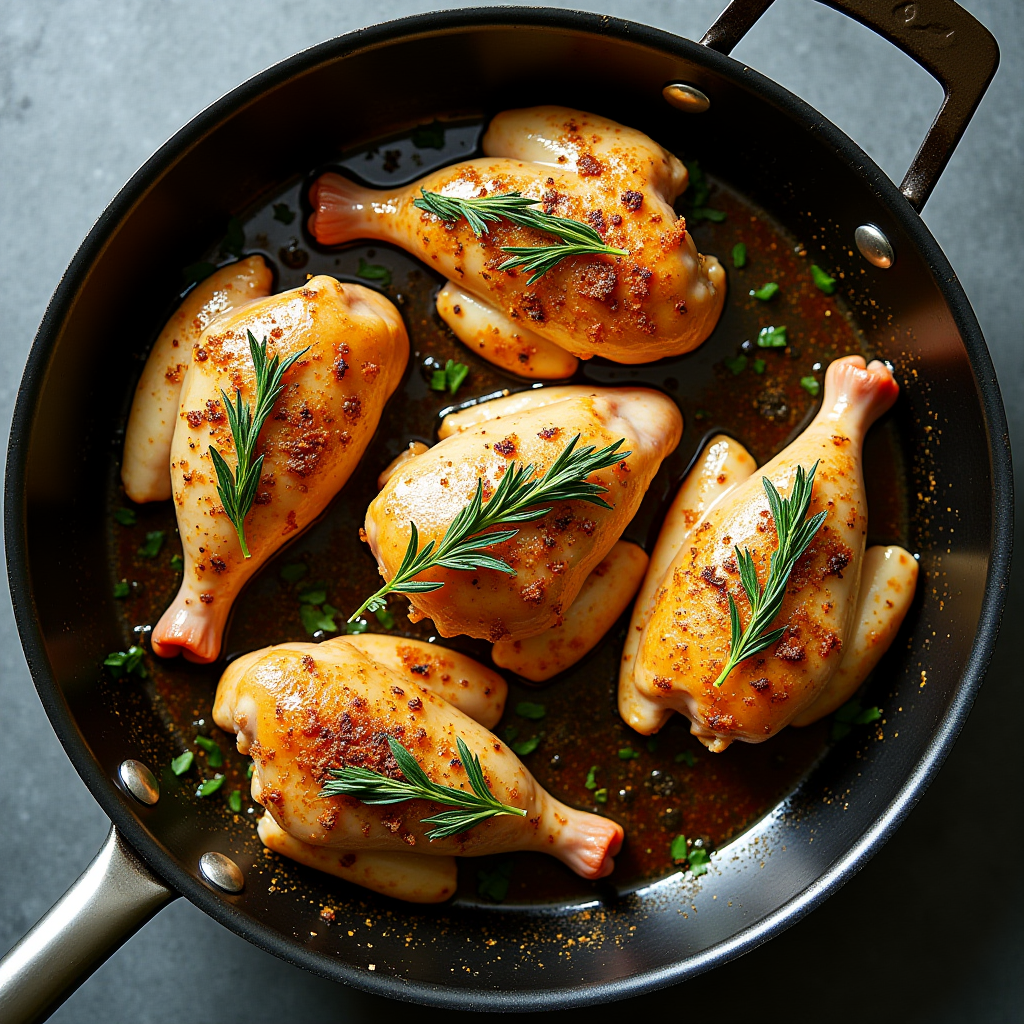
Mid-cooking adjustments are crucial for dishes with longer cooking times. When making soups, stews, or braises, students should taste periodically and make small seasoning adjustments as the dish cooks. This is particularly important because as liquids reduce, salt concentration increases. A soup that tastes properly seasoned at the beginning of cooking may become oversalted by the end if no adjustments are made. Conversely, adding all the salt at the beginning can result in an oversalted final dish. Teaching students to taste and adjust throughout cooking prevents these problems.
Final seasoning happens just before serving and is the last opportunity to perfect the dish. This is when students should taste carefully and make final adjustments to salt, acid, and other seasonings. Many dishes benefit from a final squeeze of lemon juice or sprinkle of fresh herbs that would lose their impact if added earlier. Students should develop the habit of always tasting dishes immediately before serving and asking themselves if any final adjustments would improve the flavor. This final check often makes the difference between good food and great food.
Understanding how different ingredients affect seasoning at different stages is also important. Dried herbs and spices benefit from early addition, allowing their flavors to bloom and mellow during cooking. Fresh herbs are usually best added at the end to preserve their bright flavors. Garlic becomes sweet and mellow with long cooking but stays sharp and pungent when added at the end. Teaching students these timing principles helps them make informed decisions about when to add different seasonings for optimal flavor development.
Adjusting Flavors at Different Cooking Stages
Different cooking methods and stages require different approaches to seasoning adjustments. Students need to understand how heat, time, and cooking techniques affect seasoning so they can make appropriate adjustments throughout the cooking process. This knowledge prevents common problems like oversalted reductions or underseasoned roasted vegetables.
When cooking with liquid reduction, such as making sauces or braising, students must account for concentration effects. As liquid evaporates, salt and other seasonings become more concentrated. A sauce that tastes underseasoned at the beginning of reduction may be perfectly seasoned or even oversalted by the end. Students should learn to season lightly at the start of reduction and taste frequently as the liquid reduces, making small adjustments as needed. This approach prevents the common mistake of oversalting dishes that will reduce significantly.
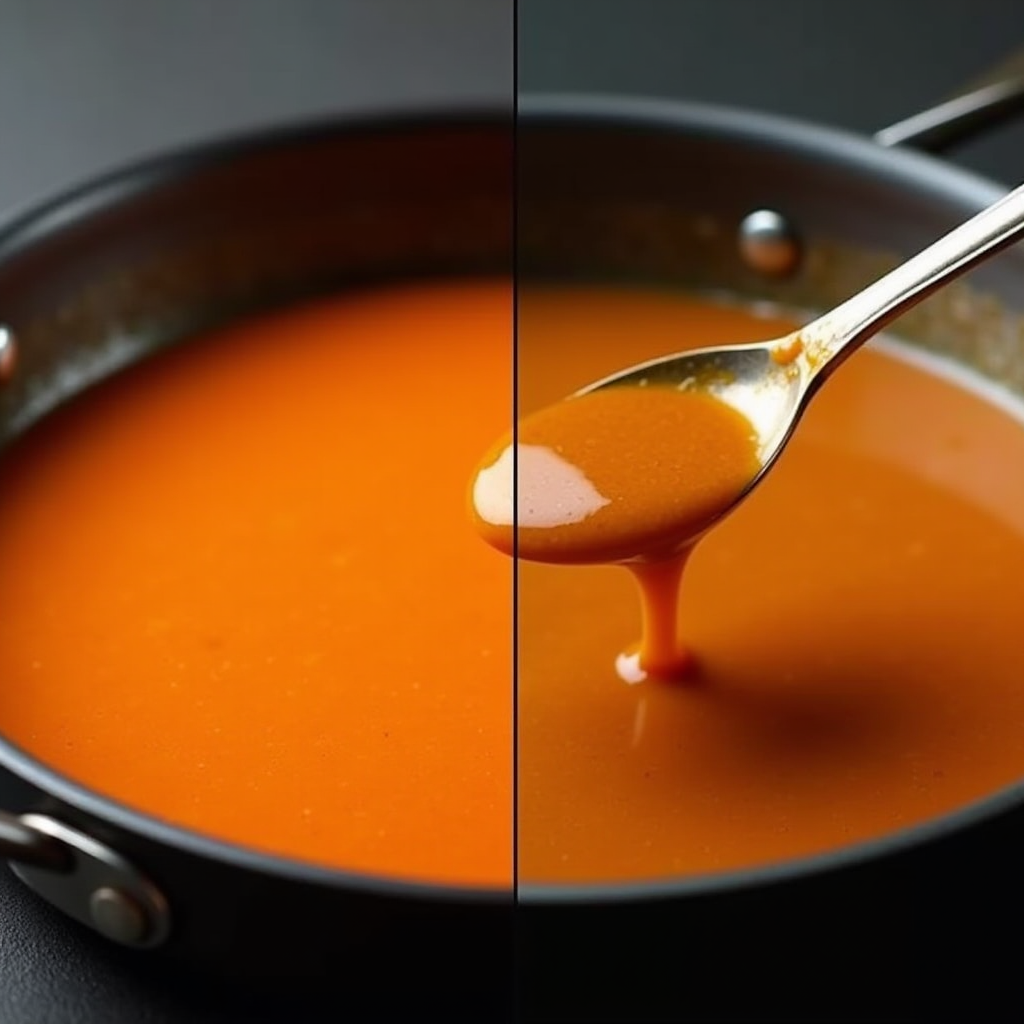
Understanding how reduction concentrates flavors prevents oversalting
For roasting and grilling, where moisture evaporates and flavors concentrate on the surface, students should season generously before cooking. The high heat creates a flavorful crust that benefits from bold seasoning. However, students should also learn that roasted or grilled items often benefit from a final seasoning adjustment after cooking—a sprinkle of flaky salt, squeeze of lemon, or drizzle of good olive oil can brighten flavors that may have become muted during high-heat cooking.
When making dishes with multiple components, such as grain bowls or composed salads, students need to season each component separately. A common mistake is to season only the final assembled dish, which results in some components being properly seasoned while others remain bland. Teaching students to taste and season each element—the grains, the vegetables, the protein, the dressing—ensures that every bite is flavorful. This approach also makes final assembly easier because all components are already properly seasoned.
Temperature affects taste perception, which students must consider when adjusting seasonings. Foods taste less salty and less sweet when cold, so dishes served cold (like potato salad or gazpacho) need more aggressive seasoning than dishes served hot. Students should learn to taste dishes at their serving temperature when making final seasoning adjustments. A soup that tastes perfectly seasoned when hot may taste bland when cooled to room temperature, while a cold salad that tastes properly seasoned when chilled may taste oversalted at room temperature.
Building Confidence Through Repetition and Practice
Developing reliable seasoning judgment requires consistent practice over time. Students need to understand that this skill develops gradually through repetition and that early mistakes are part of the learning process. Creating a structured practice routine and tracking progress helps students build confidence and accelerate their palate development.
A practical approach is to designate specific practice sessions focused solely on seasoning. Rather than trying to perfect seasoning while also learning new techniques or recipes, students should occasionally cook simple, familiar dishes with the specific goal of practicing seasoning judgment. For example, making plain rice, simple pasta with olive oil, or basic roasted vegetables provides a neutral canvas for focusing entirely on seasoning decisions without the distraction of complex techniques or unfamiliar ingredients.
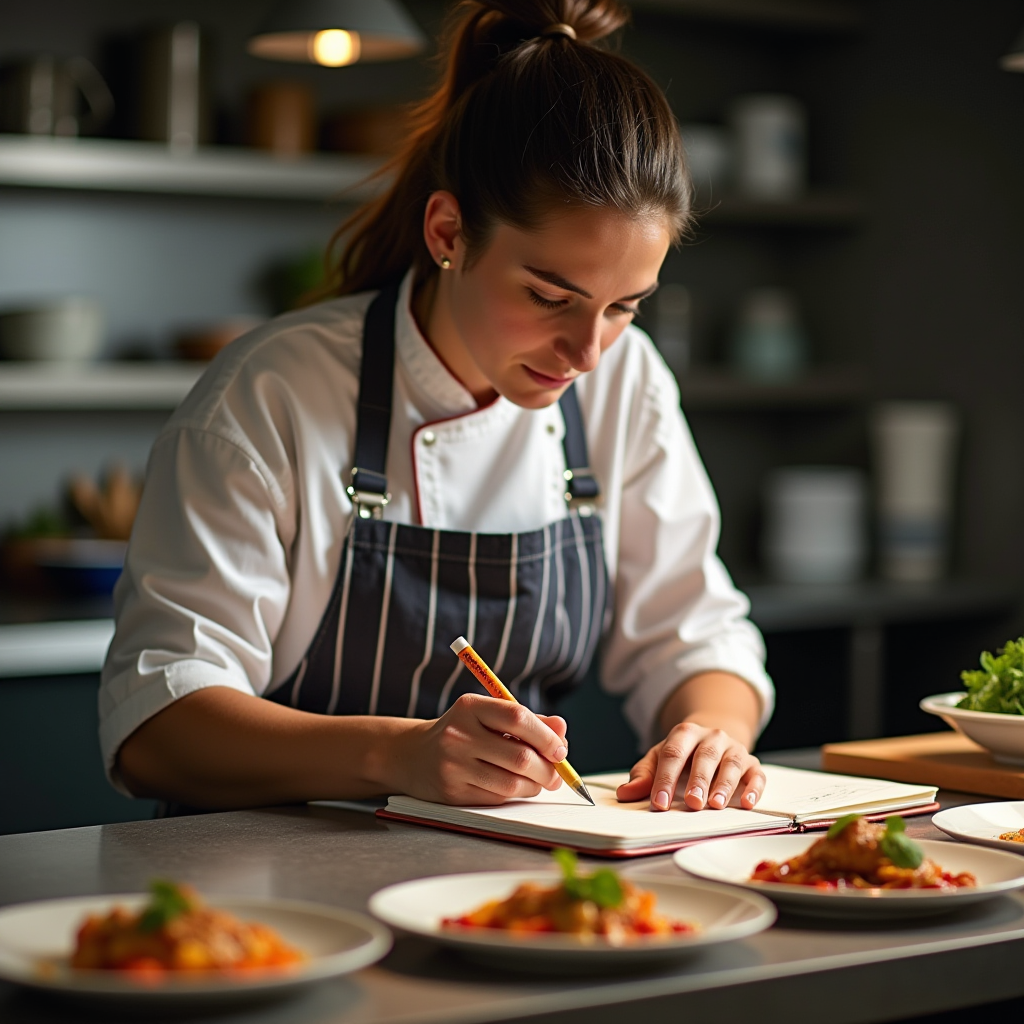
Keeping a tasting journal helps students track their progress and identify patterns in their seasoning decisions. After each practice session or cooking experience, students should note what adjustments they made, whether those adjustments improved the dish, and what they learned. Over time, this journal becomes a valuable reference that shows progress and helps identify areas needing more practice. Students often find that reviewing their notes reveals patterns—perhaps they consistently undersalt vegetables or forget to add acid to rich dishes—that they can then address through targeted practice.
Cooking the same dish repeatedly is one of the most effective ways to develop seasoning confidence. When students make the same recipe multiple times, they can focus on refining their seasoning approach without having to learn new techniques or ingredient combinations. Each repetition provides an opportunity to experiment with different seasoning levels and timing, building intuition about what works best. After making the same soup or sauce five or six times, students typically develop a reliable sense of how much salt, acid, and other seasonings that particular dish needs.
Tasting food prepared by experienced cooks provides valuable calibration for students developing their palates. When possible, students should taste well-seasoned dishes prepared by skilled cooks and pay attention to the seasoning levels. This helps establish a reference point for what properly seasoned food should taste like. Many students discover that their own cooking is underseasoned compared to professionally prepared food, which helps them understand that they need to be more assertive with their seasoning.
Students should also practice recovering from seasoning mistakes. Oversalting a dish and learning how to balance it with acid, sweetness, or dilution teaches valuable lessons about how flavors interact. Underseasoning a dish and gradually adjusting it to the proper level helps students understand the incremental nature of seasoning adjustments. These experiences, while sometimes frustrating, build the problem-solving skills and confidence needed to handle seasoning challenges in real cooking situations.
Conclusion: From Uncertainty to Intuition
Developing seasoning judgment transforms cooking from mechanical recipe-following into intuitive flavor creation. By understanding the five basic tastes, practicing structured tasting exercises, learning to layer seasonings throughout cooking, and building confidence through repetition, students can develop the palate sensitivity needed to season food effectively. This skill takes time to develop, but the investment pays dividends in every dish students prepare.
The journey from uncertainty to seasoning confidence follows a predictable path. Initially, students rely heavily on recipes and measurements, unsure of their own judgment. With practice, they begin to recognize when dishes need adjustment and can identify what's missing. Eventually, seasoning becomes intuitive—students automatically taste and adjust throughout cooking without conscious thought. This progression requires patience and consistent practice, but every cooking session provides opportunities to refine palate sensitivity and build confidence.
Remember that developing seasoning judgment is a personal journey—what tastes properly seasoned to one person may taste different to another. The goal isn't to match some absolute standard but to develop your own reliable sense of balance and flavor. Through structured practice, thoughtful tasting, and willingness to learn from both successes and mistakes, students can develop the seasoning confidence that separates competent cooks from truly skilled ones. This fundamental skill enhances every aspect of cooking and provides a foundation for culinary creativity and expression.