Mise en Place: The Foundation of Organized Cooking
Discover how the French culinary concept of mise en place—preparing and organizing all ingredients before cooking—can transform your kitchen practice sessions, reduce stress, and create better learning conditions for developing your cooking skills.
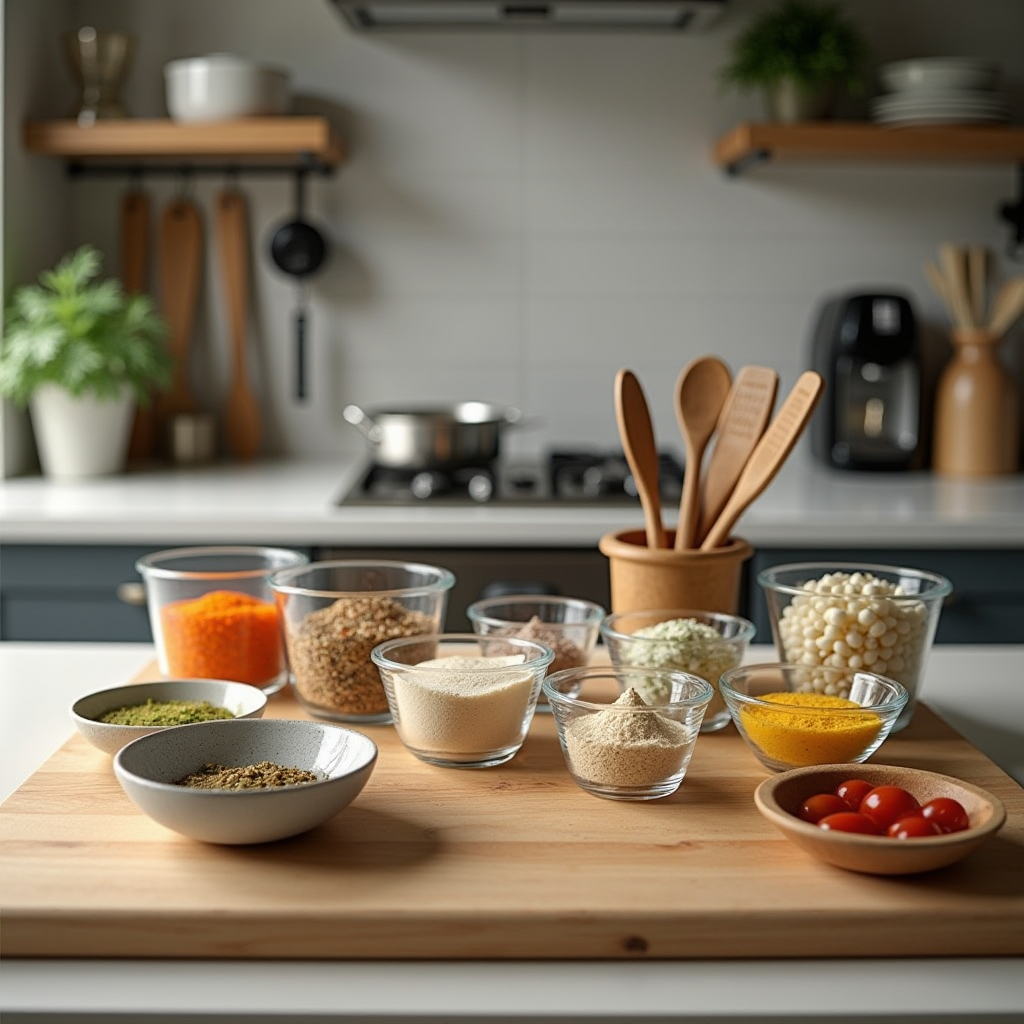
Understanding Mise en Place
The French term "mise en place" literally translates to "everything in its place," and it represents one of the most fundamental principles in culinary education. This organizational approach involves preparing and arranging all ingredients, tools, and equipment before you begin the actual cooking process. While it might seem like an extra step that delays the cooking, mise en place actually saves time, reduces errors, and creates a more enjoyable learning experience.
In professional kitchens worldwide, mise en place is not optional—it's the foundation of efficient cooking. Chefs spend significant time each day preparing their stations, chopping vegetables, measuring spices, and organizing tools. This preparation allows them to focus entirely on cooking techniques and timing once service begins. For home learners in culinary courses and cooking workshops, adopting this same approach can dramatically improve your practice sessions and skill development.
The beauty of mise en place extends beyond mere organization. It transforms cooking from a chaotic scramble into a mindful, controlled process. When you're not frantically searching for ingredients or rushing to chop vegetables while something burns on the stove, you can concentrate on proper technique, observe how ingredients behave during cooking, and truly understand the recipes you're practicing.
This methodical approach also builds confidence. Many cooking students feel overwhelmed when they try to manage multiple tasks simultaneously—reading recipes, preparing ingredients, and monitoring cooking processes all at once. Mise en place eliminates this multitasking burden by separating preparation from execution, allowing you to focus on one phase at a time and develop skills more effectively.
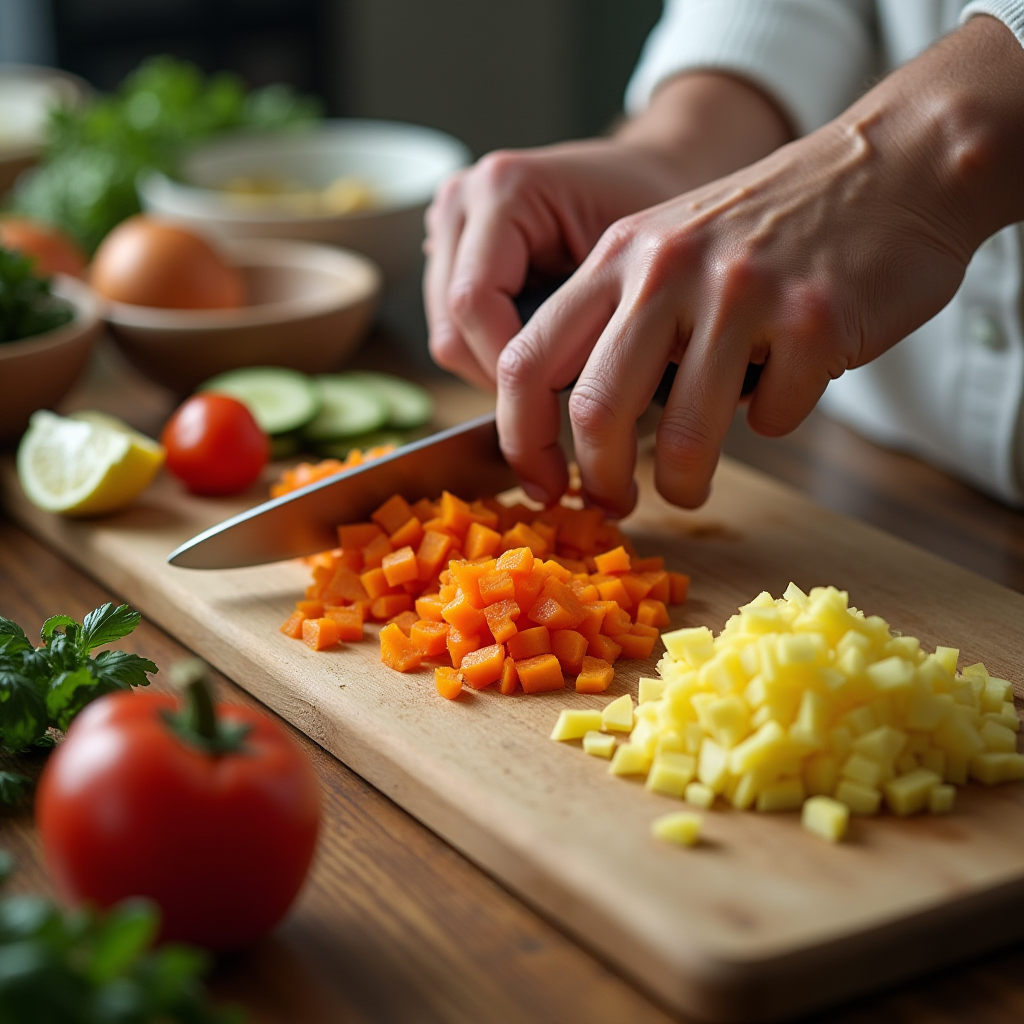
The Benefits of Organized Preparation
Implementing mise en place in your cooking practice offers numerous advantages that directly support your learning journey. Understanding these benefits can motivate you to adopt this approach consistently, even when it feels like extra work initially.
Reduced Mental Load
When ingredients are prepared in advance, your mind is free to focus on cooking techniques rather than juggling multiple preparation tasks simultaneously.
Better Timing Control
With everything ready, you can add ingredients at precisely the right moment, improving your understanding of cooking times and temperature management.
Fewer Mistakes
Pre-measuring ingredients eliminates errors like adding too much salt or forgetting a key component, allowing you to learn recipes accurately.
Lower Stress Levels
Cooking becomes more enjoyable when you're not rushing or feeling overwhelmed, creating positive associations with kitchen practice.
Enhanced Observation
With preparation complete, you can watch how ingredients transform during cooking, deepening your understanding of culinary processes.
Cleaner Workspace
Organizing before cooking means less clutter during the cooking process, making cleanup easier and maintaining a professional environment.
These benefits compound over time. As you practice mise en place consistently, you'll notice that your cooking sessions become smoother, your confidence grows, and you retain more information from each practice session. The organizational skills you develop also transfer to other areas of cooking and even to non-culinary tasks that require planning and execution.
The Professional Perspective
Mise en place is more than organization—it's a mindset. When you
prepare properly, you're not just arranging ingredients; you're
setting yourself up for success. Every professional chef knows
that the quality of your mise en place directly affects the
quality of your finished dish.
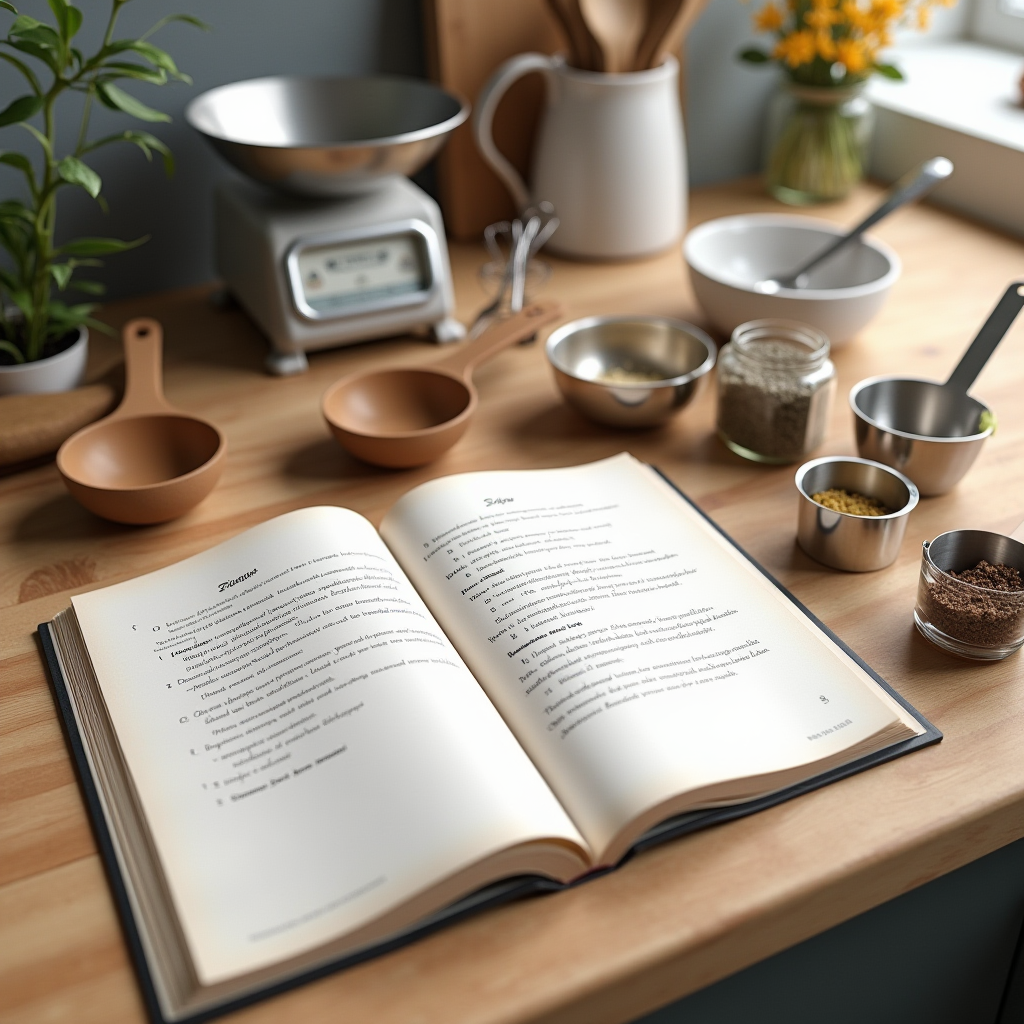
Step-by-Step Implementation Guide
Implementing mise en place effectively requires a systematic approach. Follow these steps to establish this practice in your cooking routine and maximize its benefits for your culinary education.
-
Read the Recipe Completely
Before touching any ingredients, read through the entire recipe from start to finish. Note cooking times, required equipment, and any steps that need to happen simultaneously. This overview helps you understand the workflow and identify what needs preparation.
-
Gather All Ingredients
Collect every ingredient listed in the recipe and place them on your work surface. This step ensures you have everything needed and prevents mid-cooking discoveries that you're missing a key component. Check expiration dates and ingredient quality during this stage.
-
Prepare Your Tools and Equipment
Assemble all necessary tools: knives, cutting boards, mixing bowls, measuring cups and spoons, pots, pans, and any specialized equipment. Clean and dry everything. Preheat ovens or prepare cooking surfaces as needed. Having tools ready prevents interruptions during cooking.
-
Measure and Portion Ingredients
Measure out all ingredients according to recipe specifications. Use small bowls or containers to hold measured ingredients. Group ingredients that get added together. This precision ensures recipe accuracy and makes the cooking process flow smoothly.
-
Complete All Prep Work
Wash, peel, chop, dice, mince, or otherwise prepare all ingredients as specified in the recipe. Complete all prep work before turning on any heat. This is the most time-intensive step but the most crucial for successful mise en place.
-
Organize by Cooking Order
Arrange your prepared ingredients in the order they'll be used in the recipe. Place items that go in first closest to your cooking area. This spatial organization helps you work efficiently and reduces the chance of adding ingredients at the wrong time.
-
Clear and Clean Your Workspace
Remove any packaging, unused ingredients, or tools you won't need during cooking. Wipe down your work surface. A clean, organized space allows you to focus entirely on the cooking process without distractions or obstacles.
-
Begin Cooking with Confidence
With everything prepared and organized, start cooking according to the recipe. You'll find that you can focus on technique, timing, and observation rather than scrambling to prepare ingredients. This focused attention accelerates your learning and skill development.
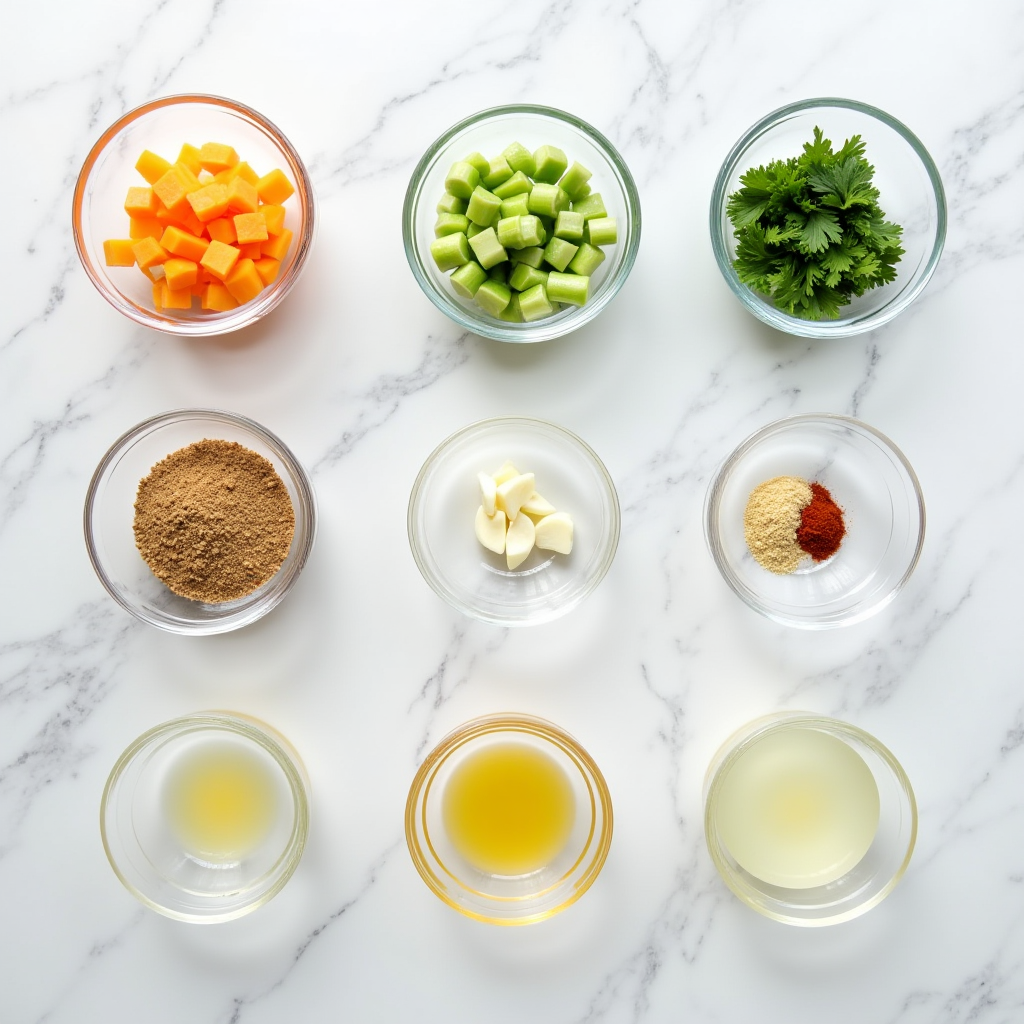
Practical Tips for Home Implementation
While professional kitchens have extensive resources for mise en place, home cooks can adapt this practice effectively with some practical strategies. These tips help you implement mise en place without requiring professional equipment or excessive time investment.
Use What You Have
You don't need specialized mise en place bowls. Small plates, ramekins, muffin tins, or even clean jar lids work perfectly for holding prepared ingredients. The goal is organization, not expensive equipment.
Prep in Batches
When practicing multiple recipes from culinary courses, consider preparing common ingredients in larger quantities. Chopped onions, minced garlic, or measured spices can be prepared once and used across several practice sessions if stored properly.
Label When Necessary
For complex recipes with many similar-looking ingredients, use small sticky notes or labels to identify what's in each container. This prevents confusion and helps you learn ingredient identification.
Time Your Prep
Initially, mise en place might feel time-consuming. Track how long preparation takes versus cooking time. You'll often find that organized prep actually reduces total time by eliminating mid-cooking delays and mistakes.
Clean as You Prep
Wash cutting boards and knives between different ingredients during prep. Keep a small bowl for scraps. This "clean as you go" approach, combined with mise en place, maintains an organized workspace throughout your practice session.
Remember that mise en place is a skill that improves with practice. Your first attempts might feel slow or cumbersome, but as you develop this habit, the process becomes faster and more intuitive. Many students in cooking workshops report that after a few weeks of consistent practice, mise en place becomes second nature and they can't imagine cooking any other way.
Adapting Mise en Place to Different Cooking Styles
While mise en place originated in French cuisine, this organizational principle adapts beautifully to all cooking styles and cuisines. Understanding how to modify your approach based on what you're cooking helps you apply this technique more effectively across your culinary education.
Quick Weeknight Cooking
For simple, fast recipes, mise en place can be streamlined. Focus on preparing ingredients that require the most time or those that need to be added quickly during cooking. Vegetables that need chopping, measured spices, and pre-portioned liquids are priorities. Ingredients that can be added directly from their containers (like canned goods) need less prep.
Complex Multi-Component Dishes
When practicing elaborate recipes from culinary courses, comprehensive mise en place becomes essential. Create separate prep stations for different components. Use larger containers or plates to group ingredients by recipe section. Consider preparing components in stages if your workspace is limited, completing mise en place for one section before moving to the next.
Baking and Pastry
Baking demands precise mise en place because measurements and timing are critical. Measure all dry ingredients into separate bowls. Bring temperature-sensitive ingredients like butter and eggs to room temperature during prep. Have all equipment ready, including preheated ovens and prepared baking pans. The precision of baking makes mise en place particularly valuable.
Stir-Frying and High-Heat Cooking
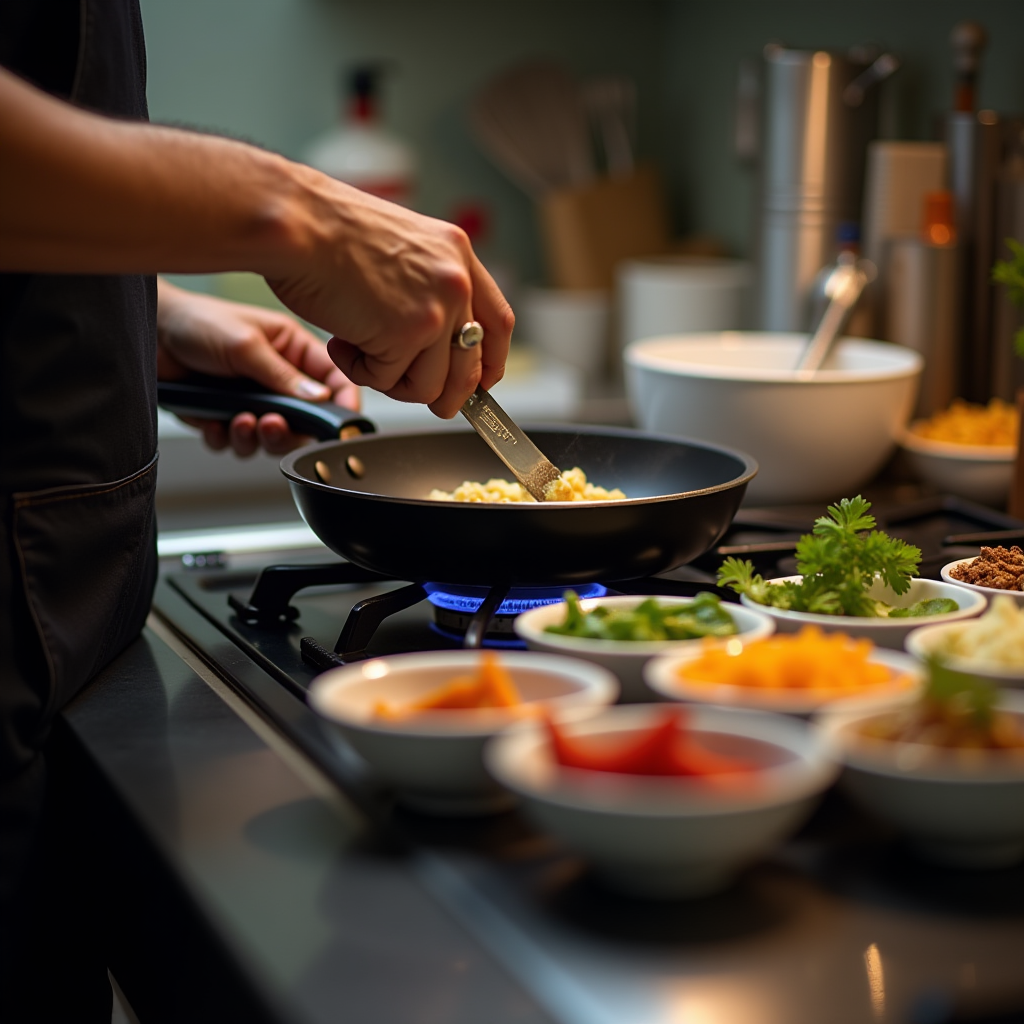
High-heat cooking techniques like stir-frying happen very quickly, making mise en place absolutely essential. All ingredients must be cut to uniform sizes, measured, and arranged in cooking order before you heat the wok or pan. There's no time to prep during cooking—everything happens in minutes. This style of cooking demonstrates mise en place at its most critical.
Building Long-Term Habits
The true value of mise en place emerges when it becomes a consistent habit rather than an occasional practice. Start by implementing it for one or two practice sessions per week, gradually increasing frequency as you become comfortable with the process. Many students find that after a month of regular practice, mise en place feels natural and they automatically begin organizing before cooking.
Track your progress by noting how your cooking sessions feel over time. Do you feel less stressed? Are you making fewer mistakes? Can you focus better on technique? These qualitative improvements indicate that mise en place is enhancing your culinary education, even if you can't measure them precisely.
Common Challenges and Solutions
As you begin implementing mise en place, you may encounter some challenges. Understanding these common obstacles and their solutions helps you persist through the learning curve and establish this valuable practice.
Challenge: Limited Counter Space
Many home kitchens have limited workspace, making it difficult to spread out all prepared ingredients. Solution: Use vertical space with tiered organizers or small shelving units. Prepare ingredients in stages, completing mise en place for the first part of the recipe, cooking that section, then prepping for the next phase. Consider using a nearby table or cart as additional prep space.
Challenge: Feeling Like It Takes Too Long
Initially, mise en place can feel time-consuming, especially when you're eager to start cooking. Solution: Remember that this prep time replaces the scrambling and delays that would occur during cooking. Time yourself over several sessions—you'll likely find that total time (prep plus cooking) is similar or even shorter than cooking without mise en place, with much better results.
Challenge: Forgetting Steps or Ingredients
When you're new to mise en place, it's easy to forget to prep something or skip a step. Solution: Create a simple checklist based on the recipe: ingredients gathered, tools assembled, ingredients measured, prep work completed, workspace cleared. Check off each step as you complete it until the process becomes automatic.
Challenge: Uncertainty About Container Sizes
Choosing appropriate containers for different ingredients can be confusing at first. Solution: Start with a variety of small bowls and containers in different sizes. Through practice, you'll learn which sizes work best for different quantities. Small ramekins work well for spices and small amounts, while larger bowls suit chopped vegetables or measured liquids.
Conclusion: Embracing the Mise en Place Mindset
Mise en place represents more than just a preparation technique—it embodies a mindset of thoughtful planning, organization, and respect for the cooking process. By adopting this approach in your culinary education, you're not just learning to cook more efficiently; you're developing a professional attitude toward cooking that will serve you throughout your learning journey.
The benefits of mise en place extend beyond individual cooking sessions. This organizational approach teaches valuable skills in planning, time management, and attention to detail that apply to all aspects of cooking and beyond. Students who embrace mise en place often find that their overall confidence in the kitchen grows significantly, as they feel more in control and capable of handling complex recipes.
As you continue your practice in culinary courses and cooking workshops, make mise en place a non-negotiable part of your routine. Even when you're tempted to skip it for a simple recipe, maintain the habit. The consistency of practice reinforces the behavior until it becomes automatic, and you'll find that cooking without proper mise en place feels uncomfortable and chaotic.
Remember that mise en place is a personal practice that you can adapt to your needs, space, and cooking style. There's no single "correct" way to implement it—the goal is to find an organizational system that works for you and supports your learning. Experiment with different approaches, learn from each cooking session, and gradually refine your mise en place practice to match your evolving skills and preferences.
Start your next cooking practice session with complete mise en place. Take the time to prepare thoroughly, organize thoughtfully, and then cook with full attention and confidence. You'll likely find that this single change transforms your entire cooking experience, making practice sessions more enjoyable, educational, and successful. The French culinary tradition of mise en place has endured for good reason—it simply works, and it will work for you too.