
Learning to substitute ingredients and modify recipes is one of the most valuable educational skills any home cook can develop. This practice goes far beyond simply swapping one ingredient for another—it represents a deep understanding of cooking chemistry, flavor profiles, and texture science. When approached as an educational exercise, ingredient substitution becomes a powerful tool for building culinary confidence and problem-solving abilities.
The ability to adapt recipes based on available ingredients, dietary preferences, or creative inspiration demonstrates true cooking competence. Rather than viewing recipes as rigid formulas that must be followed exactly, understanding substitution principles allows cooks to see recipes as flexible frameworks that can be adjusted while maintaining delicious results. This educational approach transforms cooking from a mechanical process into an engaging, creative practice.
Throughout this article, we'll explore the educational foundations of ingredient substitution, examine common substitution categories, and discuss the reasoning behind successful recipe modifications. This knowledge serves purely educational purposes, helping learners develop their understanding of cooking principles and build confidence in their kitchen decision-making abilities.
Understanding the Science Behind Substitutions
Before attempting any ingredient substitution, it's essential to understand the role each ingredient plays in a recipe. Ingredients serve multiple functions: they provide structure, moisture, flavor, leavening, binding, or fat content. When you comprehend these fundamental roles, you can make informed decisions about appropriate substitutions that maintain the integrity of the dish.
Key Ingredient Functions
- Structure builders:Flour, eggs, and proteins create the framework of baked goods and dishes
- Moisture providers:Liquids, fats, and certain fruits add necessary hydration
- Leavening agents:Baking powder, baking soda, and yeast create rise and texture
- Binding agents:Eggs, starches, and certain gums hold ingredients together
- Flavor enhancers:Spices, herbs, acids, and aromatics provide taste complexity
- Fat sources:Butter, oils, and dairy contribute richness and mouthfeel
Understanding cooking chemistry helps explain why certain substitutions work while others fail. For example, replacing butter with oil in baking affects not just flavor but also texture, because butter contains water and milk solids that contribute to structure and browning. Similarly, substituting honey for sugar changes moisture content and sweetness intensity, requiring adjustments to other liquid ingredients.
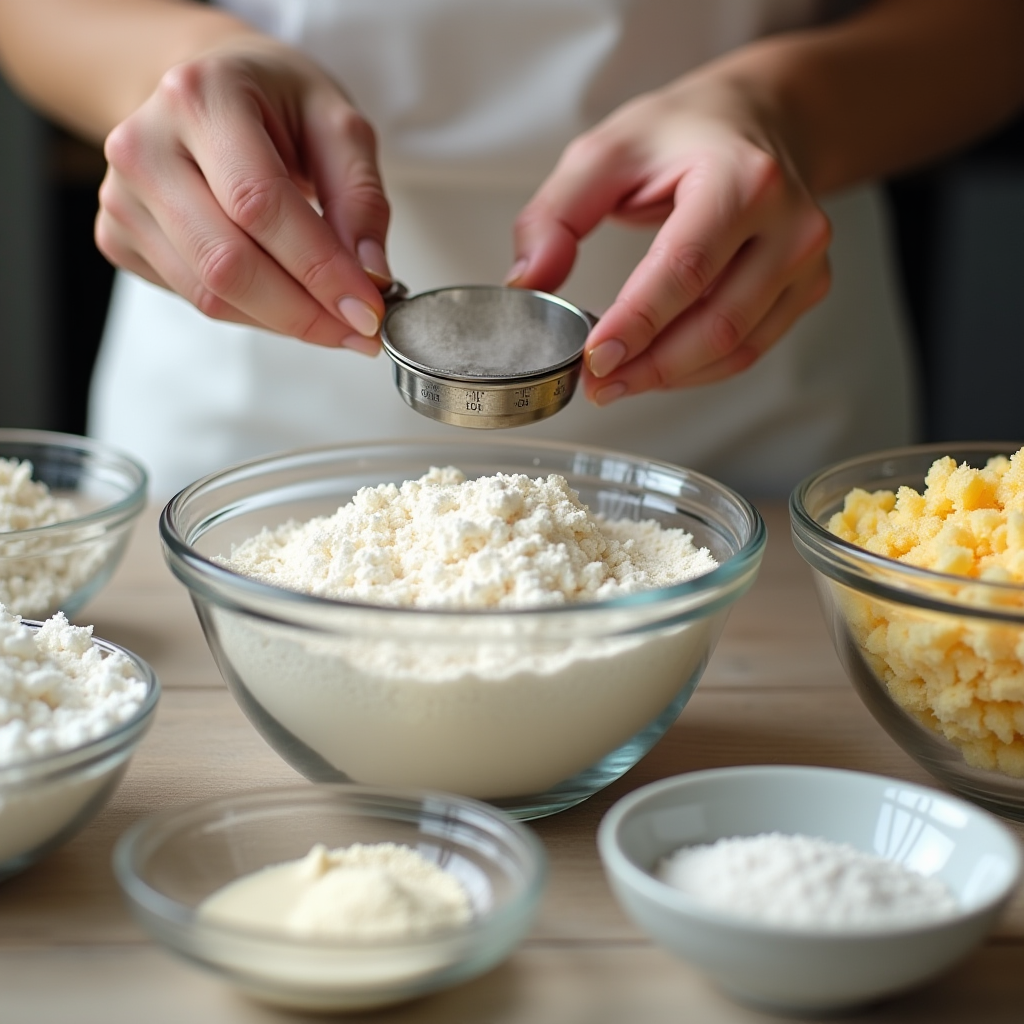
The educational value of studying these chemical interactions extends beyond individual recipes. Once you grasp the principles of how ingredients interact, you can apply this knowledge across countless cooking situations. This foundational understanding transforms you from someone who follows recipes blindly into a cook who understands the "why" behind each step and ingredient.
Common Dairy and Egg Substitutions for Learning
Dairy and egg substitutions represent some of the most frequently explored modifications in cooking education. These ingredients play crucial roles in recipes, and understanding how to replace them effectively teaches valuable lessons about ingredient functionality and recipe adaptation. Whether motivated by dietary restrictions, ingredient availability, or simple curiosity, learning these substitutions builds practical cooking knowledge.
Milk Substitutions
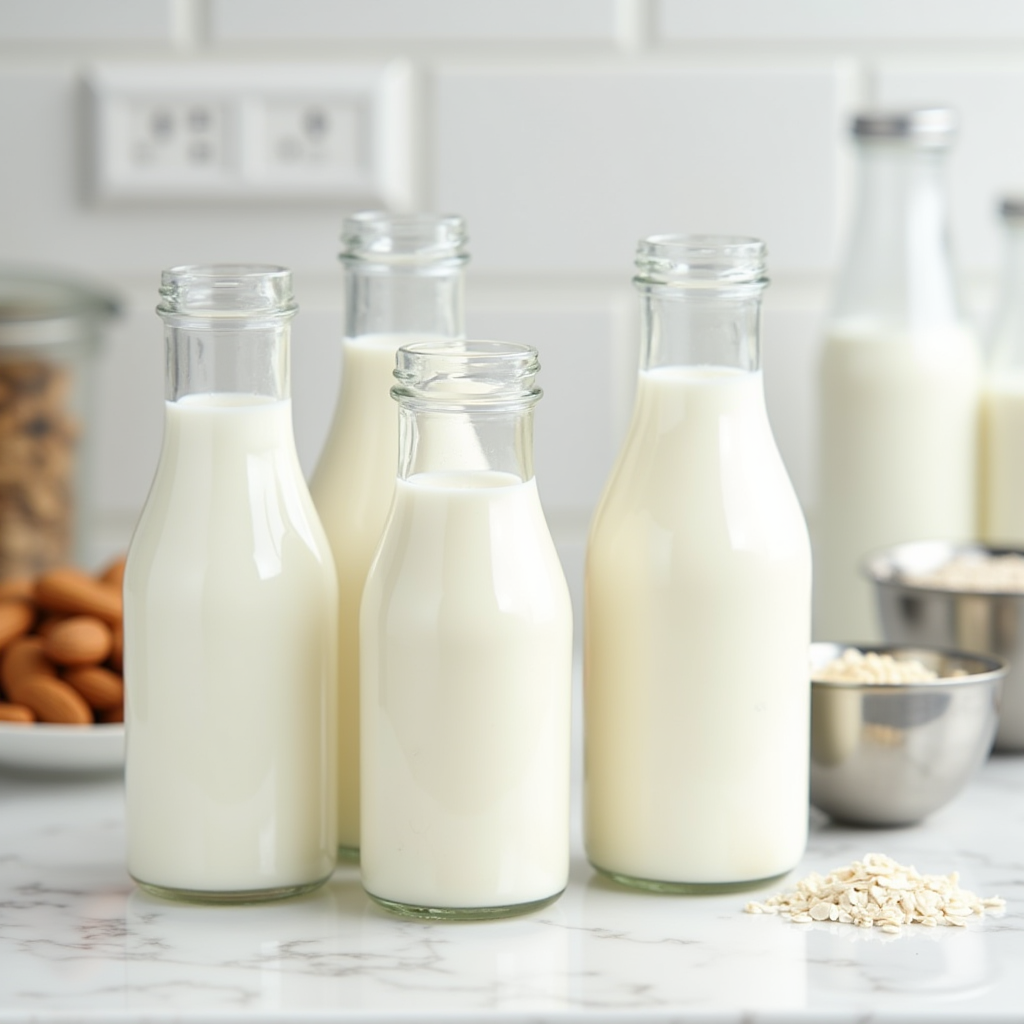
When substituting milk in recipes, consider both the fat content and the protein structure. Whole milk contains approximately 3.5% fat and specific proteins that contribute to texture and browning. Plant-based alternatives like almond, oat, or soy milk can often replace dairy milk in a 1:1 ratio, but each brings different characteristics. Almond milk is thinner and slightly sweet, oat milk is creamier and neutral, while soy milk most closely mimics dairy's protein content.
For recipes requiring buttermilk's acidity and thickness, you can create a substitute by adding one tablespoon of lemon juice or vinegar to one cup of regular milk (dairy or plant-based) and letting it sit for five minutes. This acidification mimics buttermilk's tenderizing effect in baked goods and provides similar flavor complexity. Understanding this substitution teaches important lessons about how acid affects gluten development and texture.
Egg Substitutions
Eggs serve multiple functions in recipes—they bind, leaven, add moisture, and contribute richness. The appropriate substitution depends on which function is most critical in your specific recipe. For binding purposes in recipes like veggie burgers or meatballs, ground flaxseed mixed with water (one tablespoon flaxseed plus three tablespoons water per egg) creates a gel-like consistency that holds ingredients together effectively.
When eggs primarily provide moisture and richness, as in many cake recipes, mashed banana, applesauce, or yogurt can work well. Each brings its own flavor profile and moisture content, so understanding these characteristics helps you choose the most appropriate substitute. A quarter cup of mashed banana or applesauce typically replaces one egg, though this may slightly alter the final texture and taste of the dish.
For recipes where eggs provide leavening, such as in light cakes or soufflés, substitution becomes more challenging. Commercial egg replacers often work best in these applications, as they're specifically formulated to mimic eggs' leavening properties. Learning when substitutions work easily versus when they require more careful consideration teaches valuable lessons about ingredient roles and recipe structure.
Flour and Grain Substitutions: Building Texture Knowledge
Understanding flour substitutions provides excellent education in how different grains and starches behave in cooking. All-purpose flour serves as the standard in most recipes, but numerous alternatives exist, each with unique properties that affect texture, flavor, and nutritional content. Learning to work with these alternatives builds comprehensive knowledge about baking science and recipe adaptation.
Whole wheat flour can replace all-purpose flour, but it contains more protein and fiber, resulting in denser, heartier baked goods. When substituting whole wheat for all-purpose flour, many bakers start with a 50/50 blend to maintain lighter texture while adding nutritional benefits and nutty flavor. This gradual approach teaches how different flour types affect final results and allows for experimentation with ratios.
Gluten-Free Flour Considerations
Gluten-free baking presents unique educational challenges because gluten provides structure and elasticity in traditional baking. Single-ingredient substitutions rarely work well; instead, gluten-free baking typically requires flour blends that combine different starches and proteins to mimic gluten's properties.
Common gluten-free flours include rice flour (neutral flavor, slightly gritty), almond flour (adds moisture and richness), coconut flour (highly absorbent, requires extra liquid), and oat flour (mild flavor, good binding). Learning how these flours behave individually and in combination provides valuable education in ingredient functionality and recipe development.
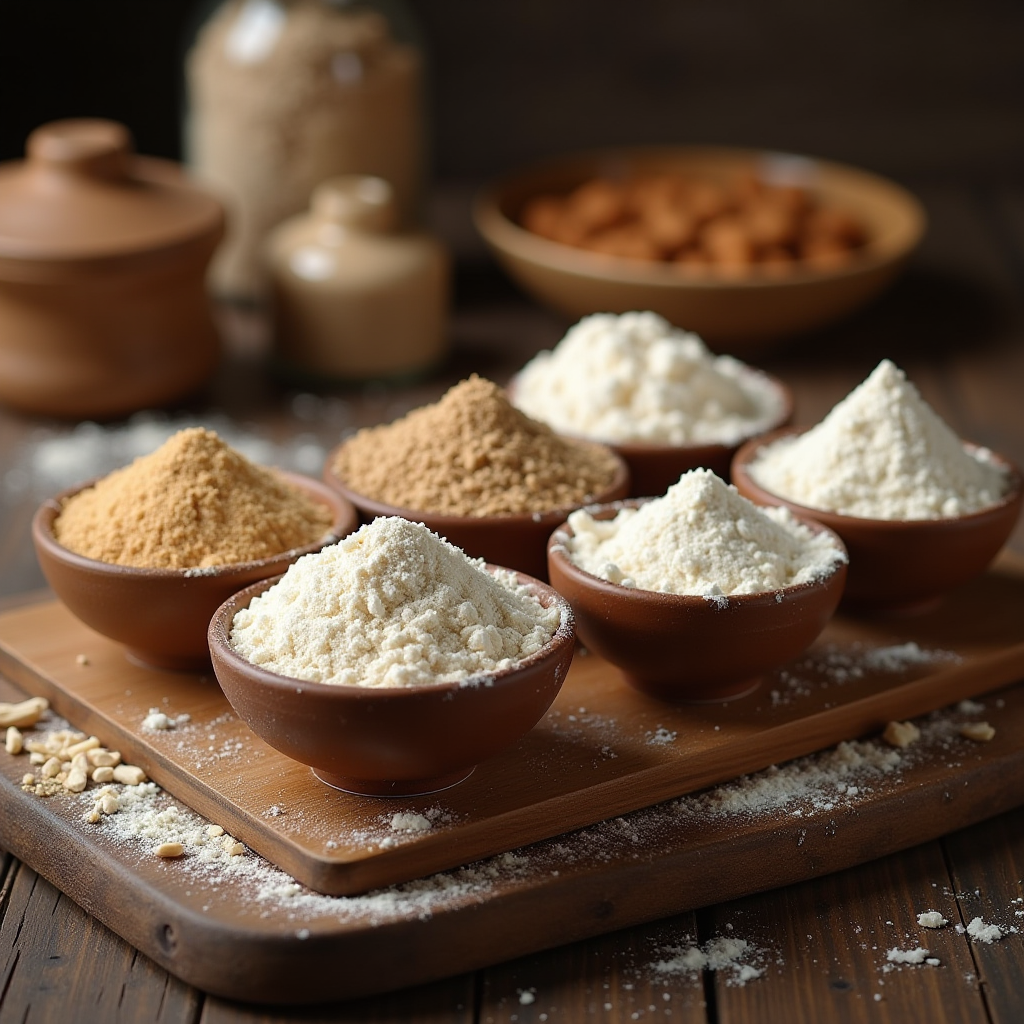
Experimenting with flour substitutions teaches important lessons about hydration ratios, mixing techniques, and baking times. Different flours absorb liquid at different rates, so recipes may need adjustment in liquid content. Some flours require longer mixing to fully hydrate, while others develop better texture with minimal mixing. These practical lessons in ingredient behavior build foundational baking knowledge applicable across countless recipes.
Sweetener Substitutions and Flavor Balance
Learning to substitute sweeteners provides excellent education in flavor balance, moisture content, and chemical reactions in cooking. Different sweeteners vary significantly in sweetness intensity, moisture content, and how they interact with other ingredients. Understanding these differences allows for informed substitution decisions that maintain recipe integrity while achieving desired results.
Granulated white sugar serves as the baseline for most recipes, but numerous alternatives exist. Brown sugar contains molasses, adding moisture and caramel flavor while making baked goods chewier. When substituting brown sugar for white sugar in a 1:1 ratio, expect slightly different texture and deeper flavor. This substitution teaches how minor ingredient changes affect final results.
Liquid Sweeteners
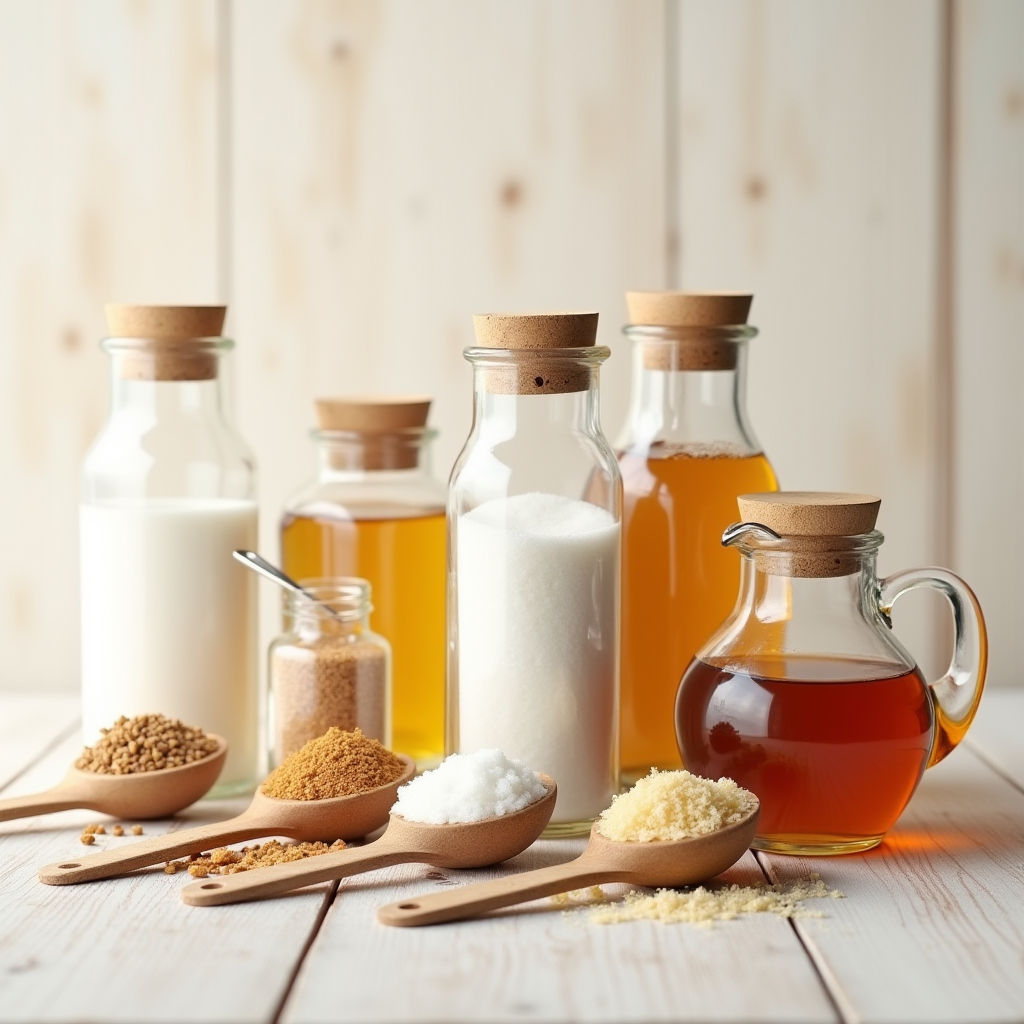
Honey, maple syrup, and agave nectar are liquid sweeteners that require recipe adjustments when substituting for granulated sugar. These sweeteners are sweeter than sugar by volume, so you typically need less—about three-quarters cup of liquid sweetener replaces one cup of sugar. Additionally, because they add liquid to the recipe, you should reduce other liquids by approximately one-quarter cup for each cup of liquid sweetener used.
Liquid sweeteners also affect browning and moisture retention. Honey causes faster browning, so reducing oven temperature by 25°F prevents over-browning. Maple syrup adds distinctive flavor that works beautifully in some recipes but may overpower delicate flavors in others. Learning to anticipate these effects builds sophisticated understanding of ingredient interactions and recipe modification.
Alternative Sweeteners
Coconut sugar, date sugar, and other alternative sweeteners each bring unique properties to recipes. Coconut sugar has a lower glycemic index than white sugar and adds subtle caramel notes, substituting 1:1 for white or brown sugar. Date sugar, made from ground dried dates, doesn't dissolve like other sugars, making it better suited for toppings or recipes where texture isn't critical.
Understanding these sweetener characteristics teaches valuable lessons about ingredient selection based on recipe requirements. Some substitutions work seamlessly while others require significant recipe adjustments. This knowledge helps cooks make informed decisions about when to substitute freely and when to follow recipes more closely for optimal results.
Fat Substitutions and Texture Modification
Fats play crucial roles in cooking and baking, affecting texture, flavor, moisture retention, and mouthfeel. Learning to substitute fats effectively provides excellent education in how different fat types behave under various cooking conditions. Butter, oil, shortening, and alternative fats each bring distinct properties that significantly impact final results.
Butter contains approximately 80% fat, 15% water, and 5% milk solids. This composition contributes to flavor, browning, and texture in ways that pure fats like oil cannot replicate. When substituting oil for butter, use about three-quarters the amount of oil (for example, three-quarters cup oil replaces one cup butter). However, this substitution changes texture—oil creates moister, denser baked goods without butter's flaky quality.
Understanding Fat Functions
Different fats serve different purposes in recipes:
- Solid fats (butter, shortening):Create flaky textures through layering, trap air for leavening
- Liquid fats (oils):Produce moist, tender textures, extend shelf life
- Saturated fats:Remain solid at room temperature, provide structure
- Unsaturated fats:Stay liquid, create tender crumb, add moisture
Coconut oil presents an interesting case study in fat substitution. Solid at room temperature like butter, it can replace butter in many recipes, though it adds subtle coconut flavor. Refined coconut oil has less coconut taste than virgin coconut oil, making it more versatile for substitution. Understanding these nuances helps cooks choose appropriate fats based on desired flavor profiles and textures.
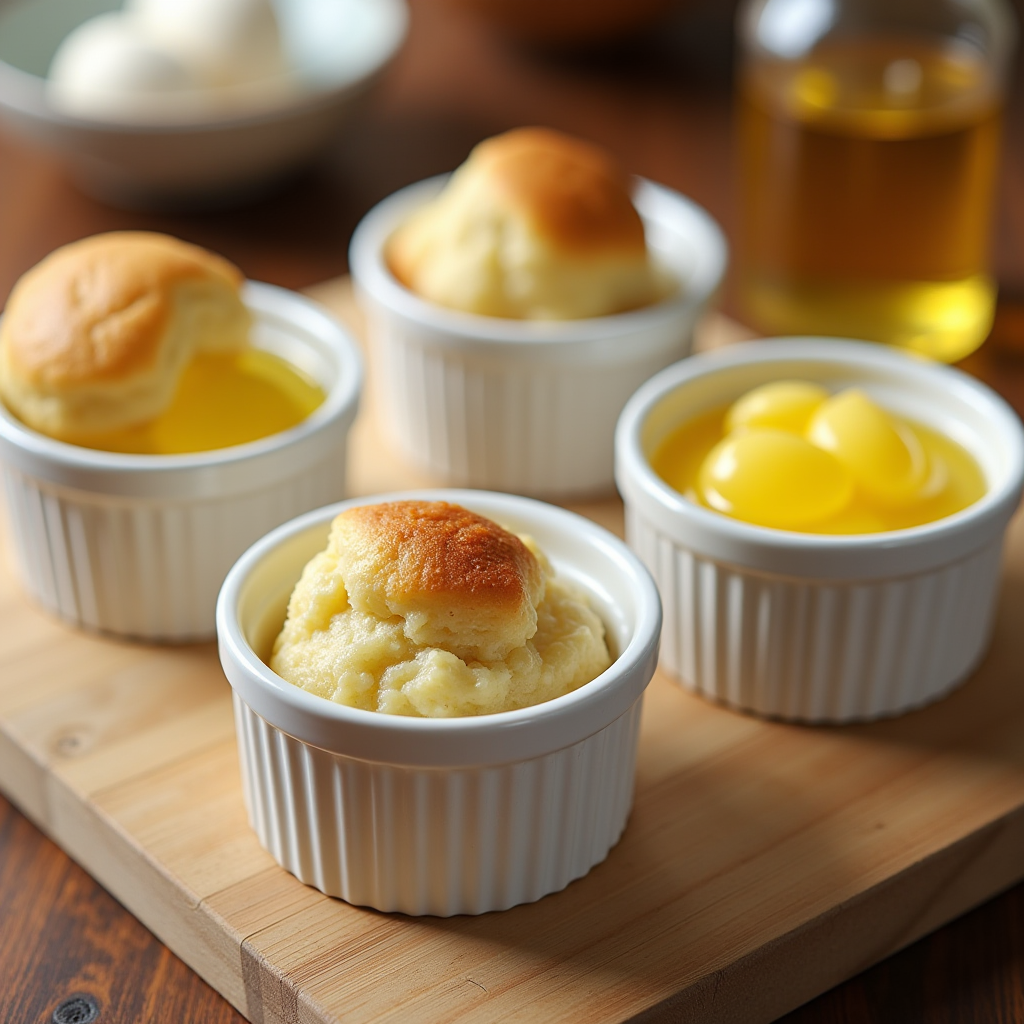
Applesauce and mashed banana can replace some or all fat in certain recipes, particularly in quick breads and muffins. These substitutions reduce fat content while adding moisture and natural sweetness. However, they also change texture significantly, creating denser, more cake-like results. Learning when these substitutions work well versus when they compromise quality too much builds practical cooking judgment.
Building Confidence Through Substitution Practice
Mastering ingredient substitution and recipe modification represents a significant milestone in culinary education. This skill set transforms cooking from a rigid, recipe-dependent activity into a flexible, creative practice. When you understand why ingredients work the way they do, you gain confidence to experiment, adapt, and problem-solve in the kitchen.
The educational value of learning substitution techniques extends beyond individual recipes. These skills teach critical thinking, scientific reasoning, and creative problem-solving—all valuable abilities both in and out of the kitchen. Understanding flavor profiles, texture considerations, and cooking chemistry enables you to approach recipes as flexible frameworks rather than inflexible rules.
Remember that successful substitution often requires experimentation and learning from results. Not every substitution works perfectly on the first try, and that's part of the educational process. Each attempt, whether successful or not, builds knowledge and understanding. Keep notes on your experiments, observe how different substitutions affect results, and gradually build your personal database of what works in various situations.
Key Takeaways for Continued Learning
- Start with simple substitutions in forgiving recipes before attempting complex modifications
- Understand the primary function of each ingredient before substituting
- Consider how substitutions affect multiple recipe aspects: flavor, texture, moisture, and structure
- Keep detailed notes on your experiments to build personal knowledge
- Accept that some substitutions work better than others—learning includes understanding limitations
- View recipe modification as an ongoing educational journey rather than a destination
As you continue developing your substitution skills, you'll find that cooking becomes more intuitive and less stressful. Missing an ingredient no longer means abandoning a recipe—instead, it becomes an opportunity to apply your knowledge and create something delicious through informed adaptation. This confidence and flexibility represent the true educational value of mastering ingredient substitution techniques.
The journey of learning ingredient substitution and recipe modification never truly ends. As you gain experience, you'll continue discovering new techniques, ingredients, and approaches. Embrace this ongoing education, remain curious about how ingredients work, and enjoy the creative freedom that comes with understanding the science and art of cooking. Your growing knowledge will serve you well in countless kitchen situations, making you a more confident, capable, and creative cook.