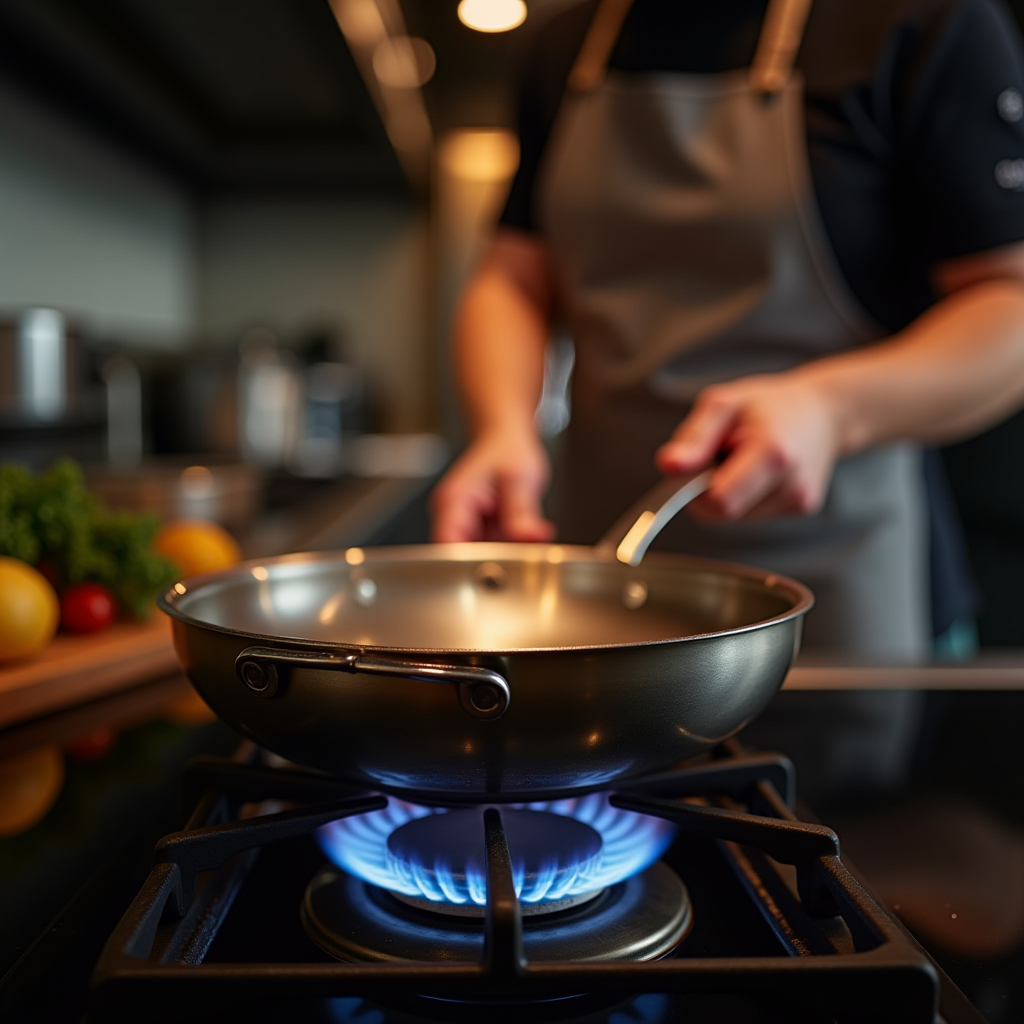
Temperature control represents one of the most critical yet often overlooked aspects of cooking. While recipes provide ingredient lists and basic instructions, the ability to recognize and adjust heat levels separates confident cooks from those who struggle with inconsistent results. This educational guide examines how temperature management affects cooking outcomes and provides practical frameworks for developing this essential skill.
Whether you're learning to sauté vegetables without burning them, simmer sauces to the perfect consistency, or achieve a restaurant-quality sear on proteins, understanding heat transfer and temperature cues will transform your cooking practice. Through repeated application of these principles, you'll develop the intuition that allows experienced cooks to adjust their approach based on what they observe in the pan.
The Science of Heat Transfer in Cooking
Heat moves from your burner to your food through three primary mechanisms: conduction, convection, and radiation. Conduction occurs when heat transfers directly through contact—from the burner to the pan, and from the pan to the food. This direct transfer explains why the type of cookware you use matters significantly. Heavy-bottomed pans made from materials like cast iron or thick stainless steel distribute heat more evenly than thin aluminum, reducing hot spots that can cause uneven cooking or burning.
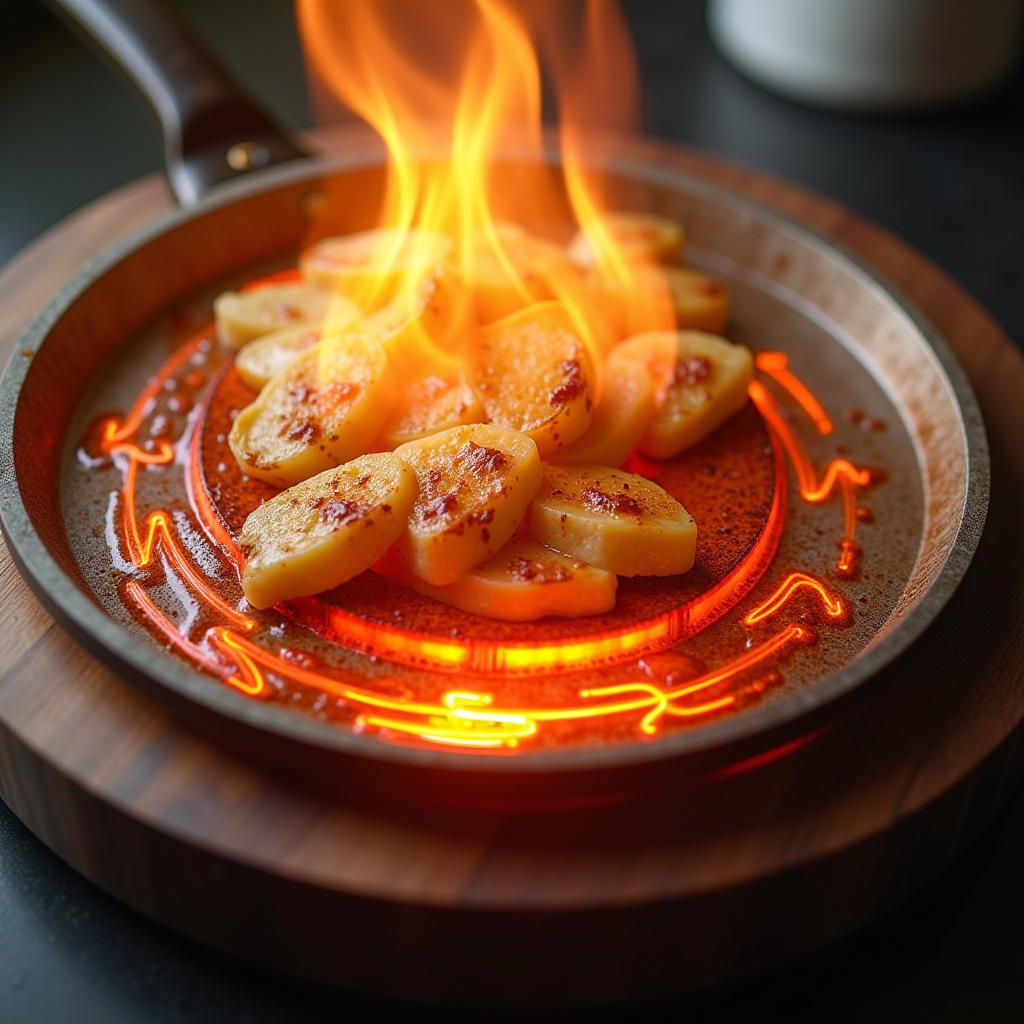
Convection involves heat transfer through the movement of liquids or gases. When you simmer a soup, hot liquid rises while cooler liquid sinks, creating circulation that distributes heat throughout the pot. This natural movement explains why stirring isn't always necessary for even cooking in liquid-based preparations. Understanding convection helps you recognize when gentle heat will accomplish your goal more effectively than aggressive stirring, which can break down delicate ingredients.
Radiation transfers heat through electromagnetic waves, most notably when broiling or grilling. While less relevant for stovetop cooking, understanding radiation helps explain why food positioned closer to a heat source cooks faster and why rotating items ensures even browning. These three mechanisms work simultaneously in most cooking scenarios, and recognizing their interplay allows you to make informed adjustments to your technique.
The rate of heat transfer depends on temperature differential—the greater the difference between your heat source and your food, the faster energy moves. This principle explains why preheating your pan matters for techniques like searing, and why starting with room-temperature ingredients often produces better results than cooking straight from the refrigerator. Cold ingredients lower the pan temperature significantly, disrupting the cooking process and potentially leading to steaming rather than browning.
Recognizing Visual Cues for Proper Temperature
Developing the ability to read visual cues eliminates much of the guesswork in temperature management. When heating oil or butter, observe how it behaves in the pan. Oil that barely moves when you tilt the pan indicates insufficient heat for most sautéing applications. As temperature increases, the oil becomes more fluid and begins to shimmer—a visual indication that it's hot enough to cook most vegetables and proteins without excessive splattering or smoking.
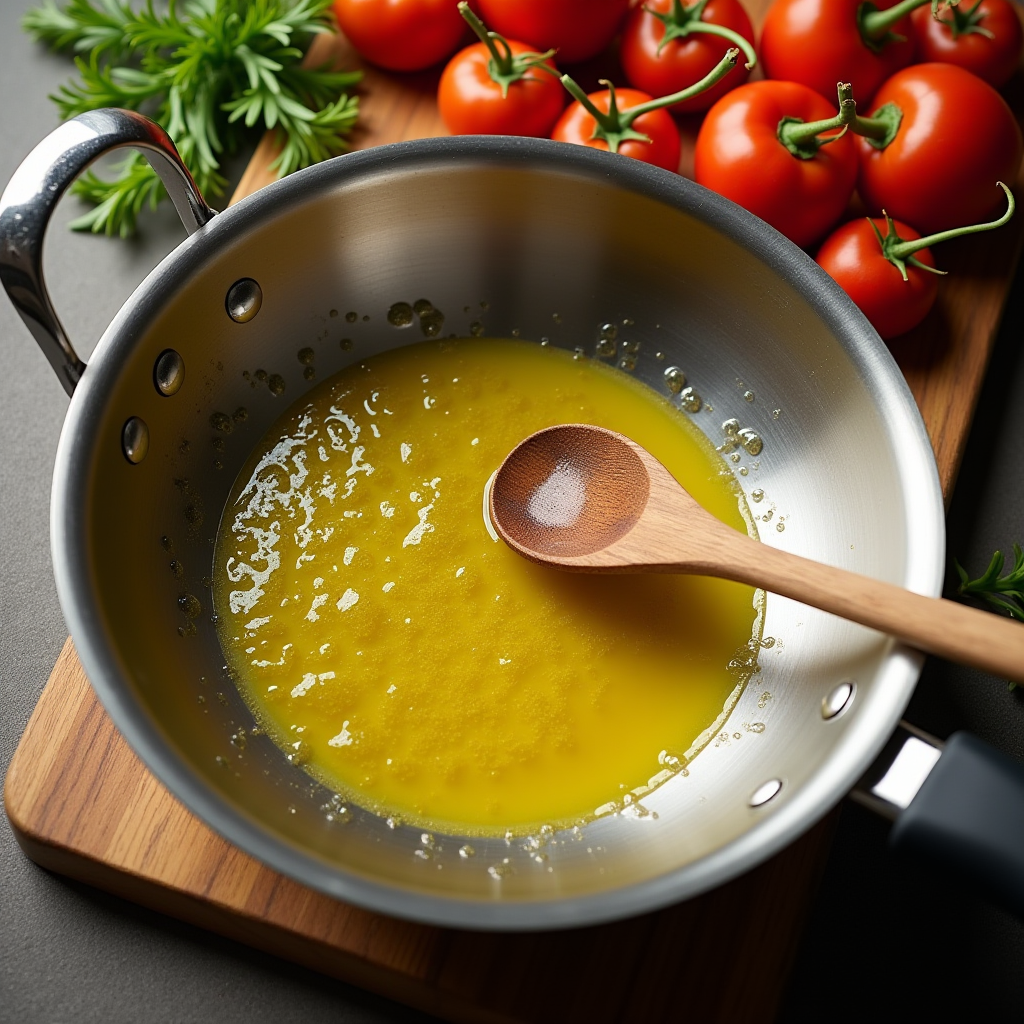
Butter provides even clearer temperature signals. When melted butter foams vigorously with large bubbles, the temperature remains relatively low—suitable for gentle cooking but insufficient for achieving browning. As heat increases, the foam becomes finer and the bubbles smaller. When the foam begins to subside and the butter takes on a light golden color, you've reached the ideal temperature for many sautéing applications. Push beyond this point, and the milk solids in butter will burn, creating bitter flavors and dark specks in your dish.
Water-based cooking provides its own set of visual indicators. A true simmer shows small bubbles breaking the surface occasionally, with gentle movement throughout the liquid. This temperature range—typically between 180°F and 205°F—allows flavors to meld and ingredients to cook through without the aggressive action that can cloud broths or toughen proteins. A rolling boil, characterized by large bubbles breaking the surface continuously, indicates higher temperatures suitable for pasta cooking or rapid reduction of sauces.
Steam production offers another important cue. When food releases significant steam immediately upon contact with the pan, the temperature is appropriate for searing and browning. Insufficient heat produces moisture that pools around ingredients, leading to steaming rather than the desired caramelization. Learning to recognize these visual signals allows you to adjust heat proactively rather than reactively, preventing common problems before they occur.
Understanding Burner Settings and Heat Adjustment Strategies
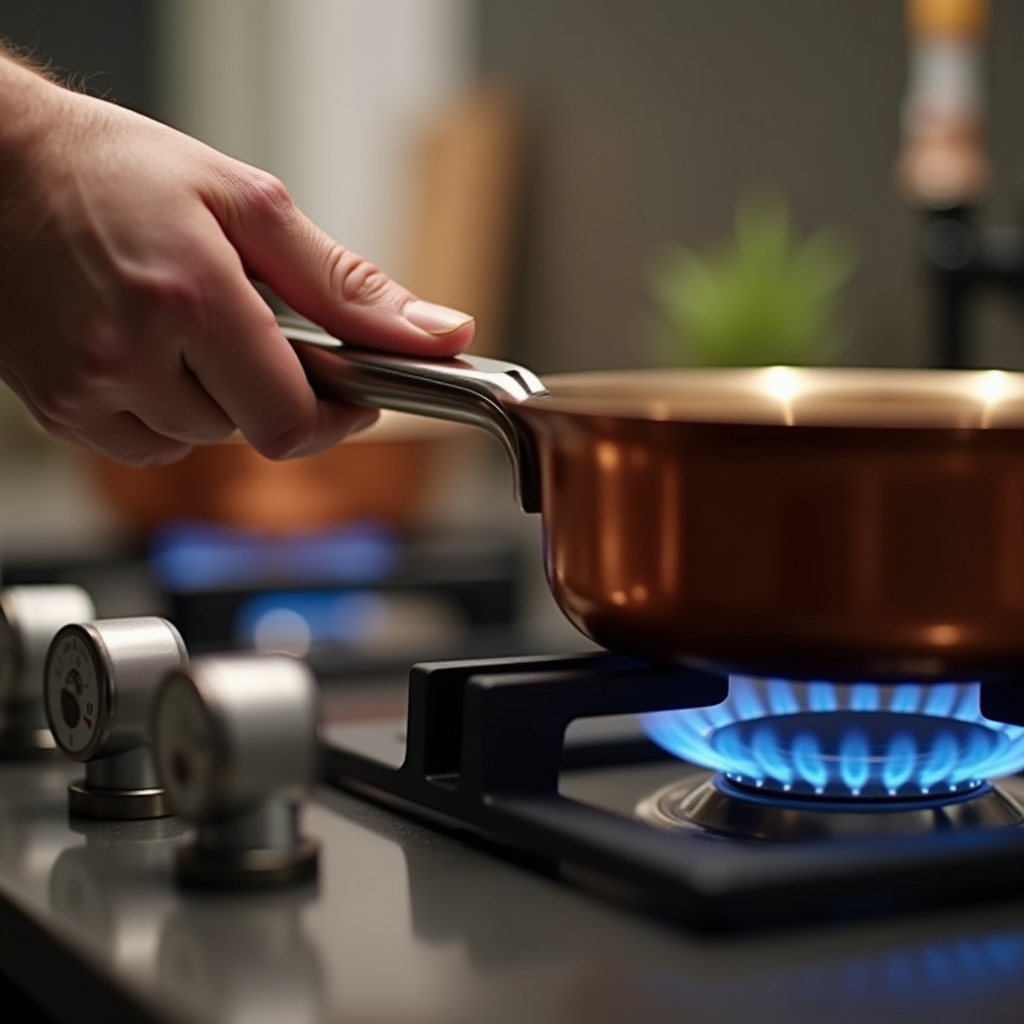
Stovetop burner settings vary significantly between different types of ranges, making it impossible to provide universal "medium heat" guidance that works for every kitchen. Gas burners respond immediately to adjustments, while electric coils and glass-top ranges retain heat longer and respond more slowly to changes. This fundamental difference requires different approaches to temperature management. With gas, you can make quick adjustments and see immediate results. With electric ranges, you must anticipate temperature changes and adjust earlier in the cooking process.
Rather than relying on specific dial positions, focus on achieving the appropriate cooking behavior for your technique. For sautéing, you want heat high enough that ingredients sizzle when they hit the pan but not so high that they brown before cooking through. This typically requires starting with higher heat to preheat the pan, then reducing to maintain the proper cooking temperature once you add ingredients. The initial burst of heat compensates for the temperature drop that occurs when room-temperature or cold food enters the pan.
Many home cooks make the mistake of setting their burner to one temperature and leaving it there throughout the cooking process. Professional cooking involves constant heat adjustment based on what's happening in the pan. If vegetables begin browning too quickly before they've softened, reduce the heat. If a sauce refuses to reduce despite extended cooking time, increase the temperature slightly. This active management prevents problems and produces superior results.
The concept of residual heat deserves particular attention. When you remove a pan from the burner, it continues cooking food through retained heat. This principle explains why recipes often instruct you to remove items from heat before they appear fully cooked—they'll reach the desired doneness during the resting period. Ignoring residual heat leads to overcooked results, particularly with delicate proteins like fish or eggs. Learning to account for carryover cooking represents an important step in developing temperature intuition.
Sautéing: Balancing Heat for Quick Cooking and Browning
Sautéing requires relatively high heat to cook food quickly while developing flavorful browning. The term comes from the French word meaning "to jump," referring to the tossing motion used to keep ingredients moving in the pan. This movement serves multiple purposes: it prevents sticking, ensures even cooking, and allows you to monitor browning progress continuously. However, the tossing motion only works effectively when your pan temperature supports rapid cooking.
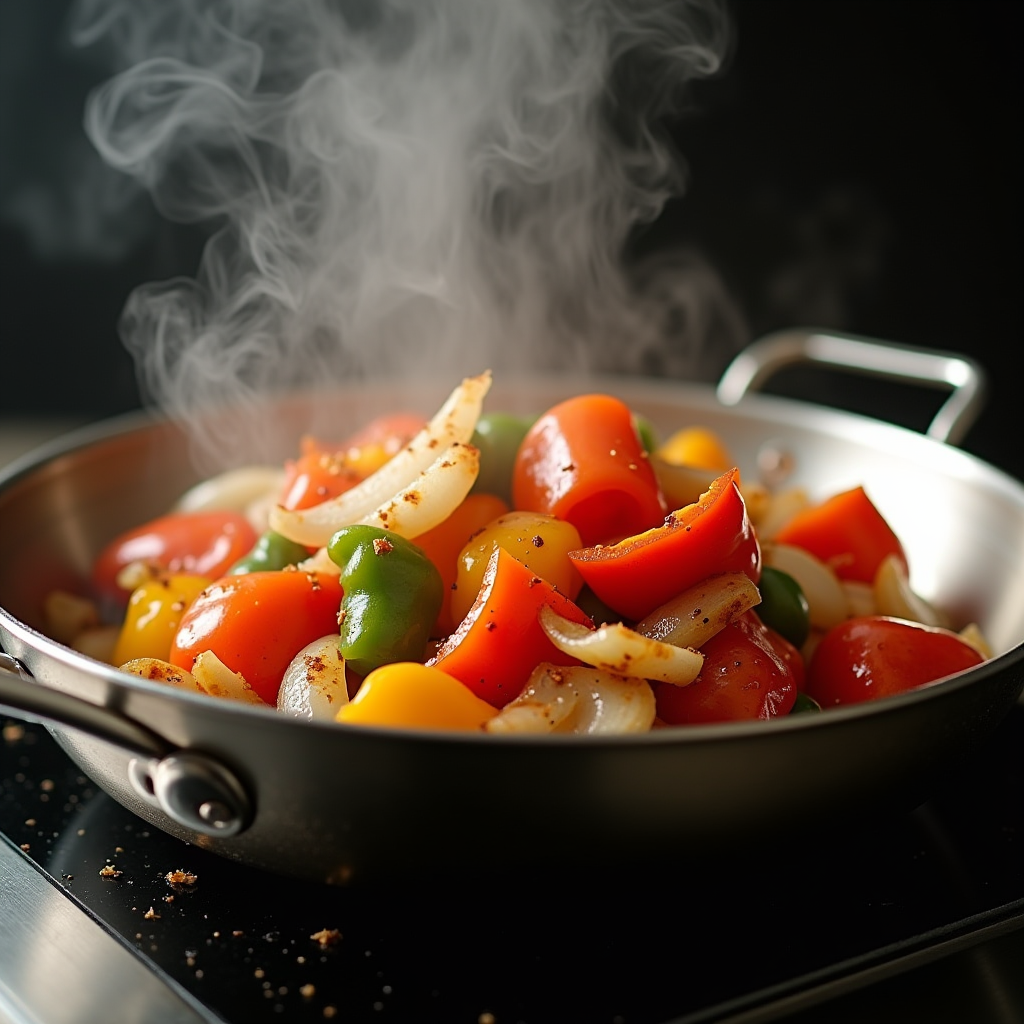
Proper sautéing temperature creates immediate sizzling when ingredients contact the pan. If you hear no sound or only gentle bubbling, your pan isn't hot enough. The food will release moisture and steam rather than brown, resulting in a soggy texture and muted flavors. Conversely, if ingredients blacken within seconds, your heat is excessive. Finding the sweet spot requires attention and adjustment, but once you've experienced the correct temperature, you'll recognize it immediately in future cooking sessions.
Different ingredients require different sautéing approaches based on their moisture content and density. Mushrooms release significant liquid when heated, so they benefit from higher initial heat and less crowding in the pan. This allows released moisture to evaporate quickly rather than accumulating and causing steaming. Leafy greens like spinach wilt rapidly and require only brief exposure to high heat. Dense vegetables like carrots need lower heat after initial browning to cook through without burning their exteriors.
Pan crowding represents one of the most common sautéing mistakes. When too much food occupies the pan, the temperature drops significantly, and ingredients release moisture faster than it can evaporate. This creates a steaming environment rather than the dry heat necessary for browning. Working in batches, though it requires more time, produces dramatically better results. Each batch should occupy no more than a single layer with space between pieces, allowing heat to reach all surfaces and moisture to escape freely.
The Art of Simmering: Gentle Heat for Complex Flavors
Simmering occupies the opposite end of the temperature spectrum from sautéing, yet it requires equal attention to heat management. This gentle cooking method allows flavors to develop and meld without the aggressive action that can cloud broths, toughen proteins, or cause delicate ingredients to break apart. Achieving a proper simmer means finding the narrow temperature range where small bubbles break the surface occasionally but the liquid never reaches a full boil.
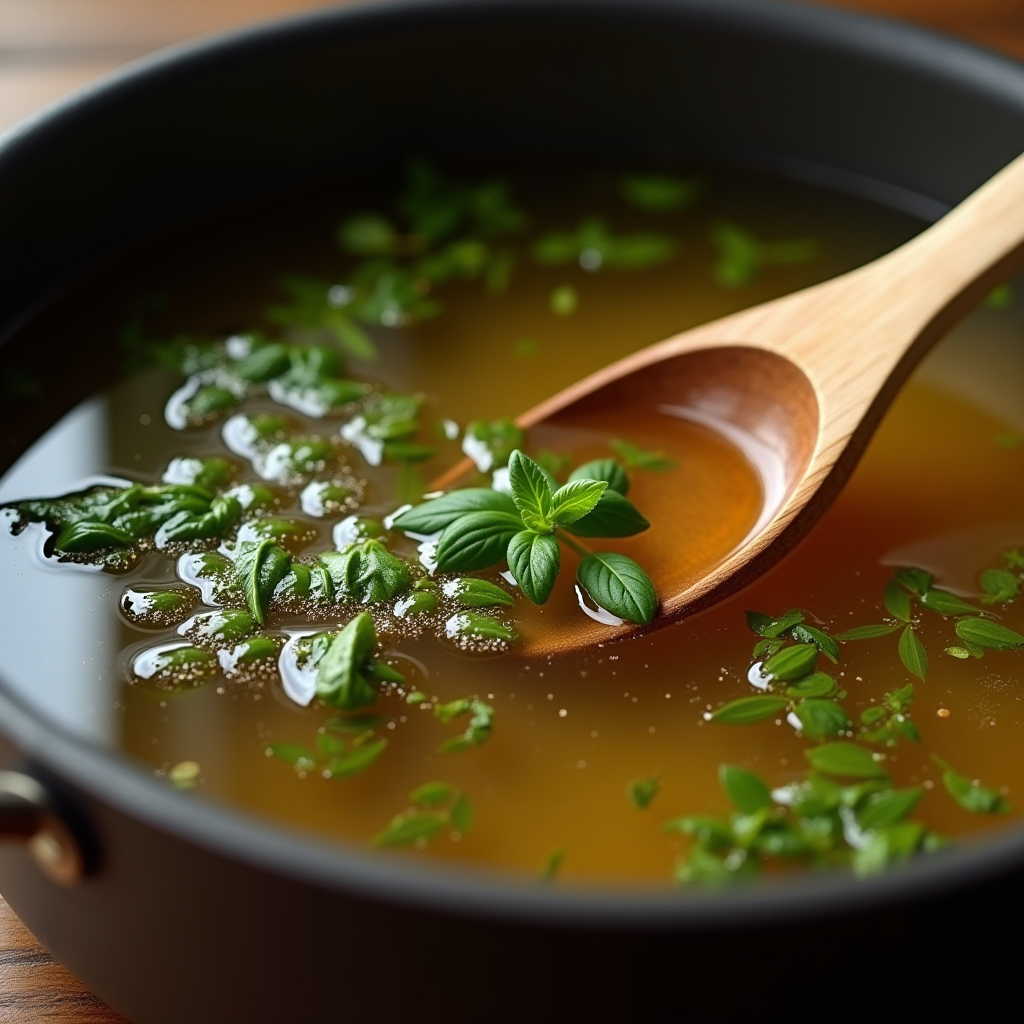
The challenge with simmering lies in maintaining consistent temperature over extended periods. Most burners don't offer fine enough control to hold a perfect simmer without adjustment. You'll often need to find a setting slightly below what produces a simmer, then periodically increase heat briefly when the bubbling stops. This active management becomes second nature with practice, but initially requires conscious attention and frequent checking.
Different simmering applications require slightly different temperatures. A bare simmer, with only occasional bubbles and minimal surface movement, works best for delicate fish or when you want to keep ingredients intact. A more active simmer, with frequent bubbling and gentle rolling motion, suits heartier preparations like bean soups or tomato sauces where you want some reduction and concentration of flavors. Learning to distinguish these variations and adjust your heat accordingly expands your cooking capabilities significantly.
Lid usage dramatically affects simmering behavior. A covered pot traps steam and moisture, raising the internal temperature and potentially turning a simmer into a boil. Partially covering the pot allows some steam to escape while retaining enough heat to maintain temperature. Completely uncovered simmering produces more evaporation and concentration, useful when you want to reduce liquid volume or intensify flavors. Understanding these effects allows you to manipulate cooking conditions to achieve specific results.
Searing: Achieving Restaurant-Quality Browning Through High Heat
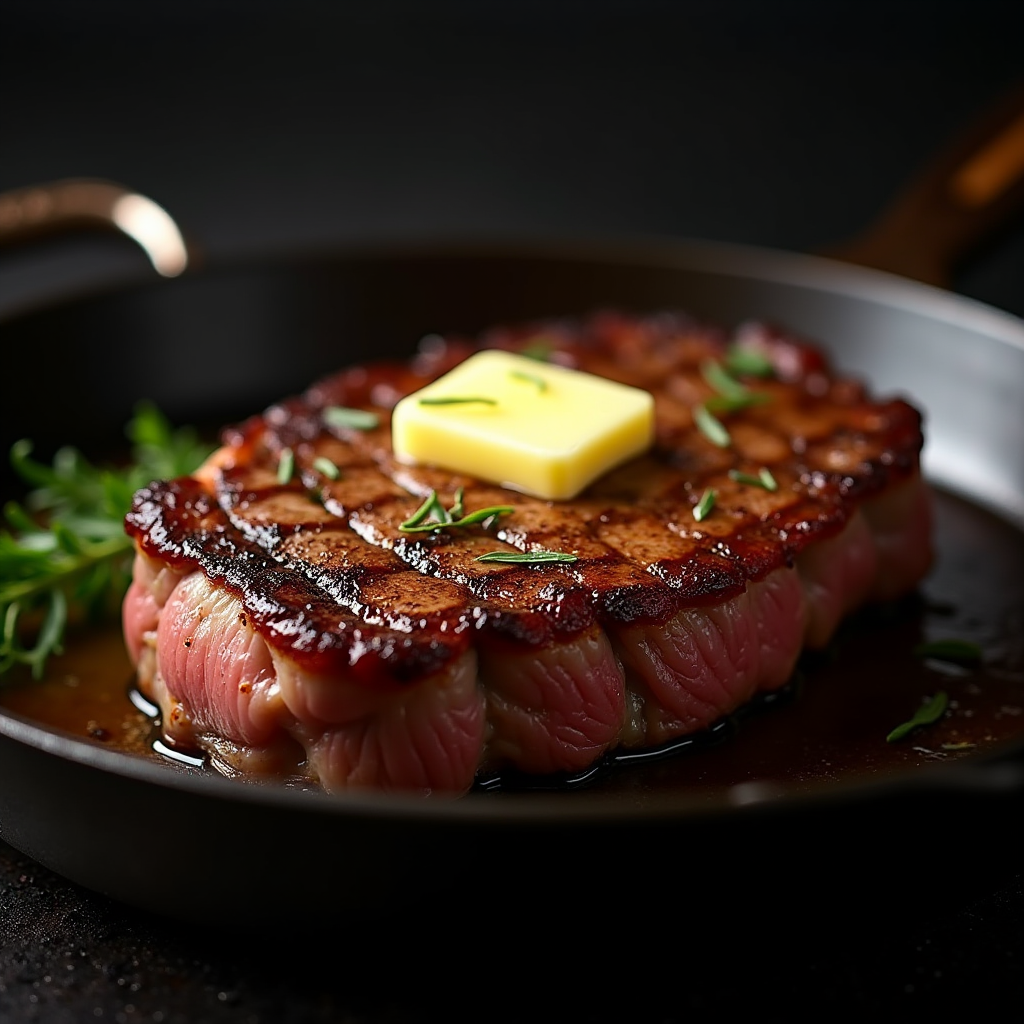
Searing creates the deeply browned, flavorful crust that characterizes restaurant-quality cooking. This technique relies on the Maillard reaction—a complex series of chemical changes that occur when proteins and sugars are exposed to high heat. Unlike caramelization, which involves only sugars, the Maillard reaction produces hundreds of flavor compounds that add depth and complexity to food. Achieving proper searing requires higher temperatures than most home cooks typically use.
Successful searing begins with proper preparation. Pat proteins completely dry with paper towels—surface moisture must evaporate before browning can begin, and excess moisture will lower pan temperature and create steam. Bring ingredients to room temperature before cooking, as cold food will drop pan temperature significantly. Choose a heavy pan that retains heat well, and preheat it thoroughly. A properly heated pan will cause a drop of water to sizzle and evaporate almost instantly.
When searing, resist the urge to move food around in the pan. Proteins need continuous contact with the hot surface to develop a proper crust. If you try to flip or move items too early, they'll stick to the pan. When a good crust forms, proteins naturally release from the cooking surface. This self-releasing behavior serves as a reliable indicator that it's time to flip. Forcing items to release prematurely tears the developing crust and produces inferior results.
Oil selection matters for high-heat cooking. Oils with low smoke points, like extra virgin olive oil or butter, will burn at searing temperatures, creating off-flavors and potentially harmful compounds. Choose refined oils with high smoke points—vegetable oil, canola oil, or refined avocado oil work well. Use just enough oil to coat the pan bottom; excess oil can actually interfere with browning by creating a barrier between food and the hot pan surface.
Building Intuition Through Deliberate Practice
Temperature management skills develop through repeated practice and conscious attention to cause and effect. Each time you cook, observe how your adjustments affect outcomes. When you reduce heat because vegetables are browning too quickly, notice how long it takes for the cooking rate to slow. When you increase heat to achieve better searing, observe the visual and auditory changes that indicate you've reached the right temperature. This active observation accelerates learning far more effectively than passive recipe following.
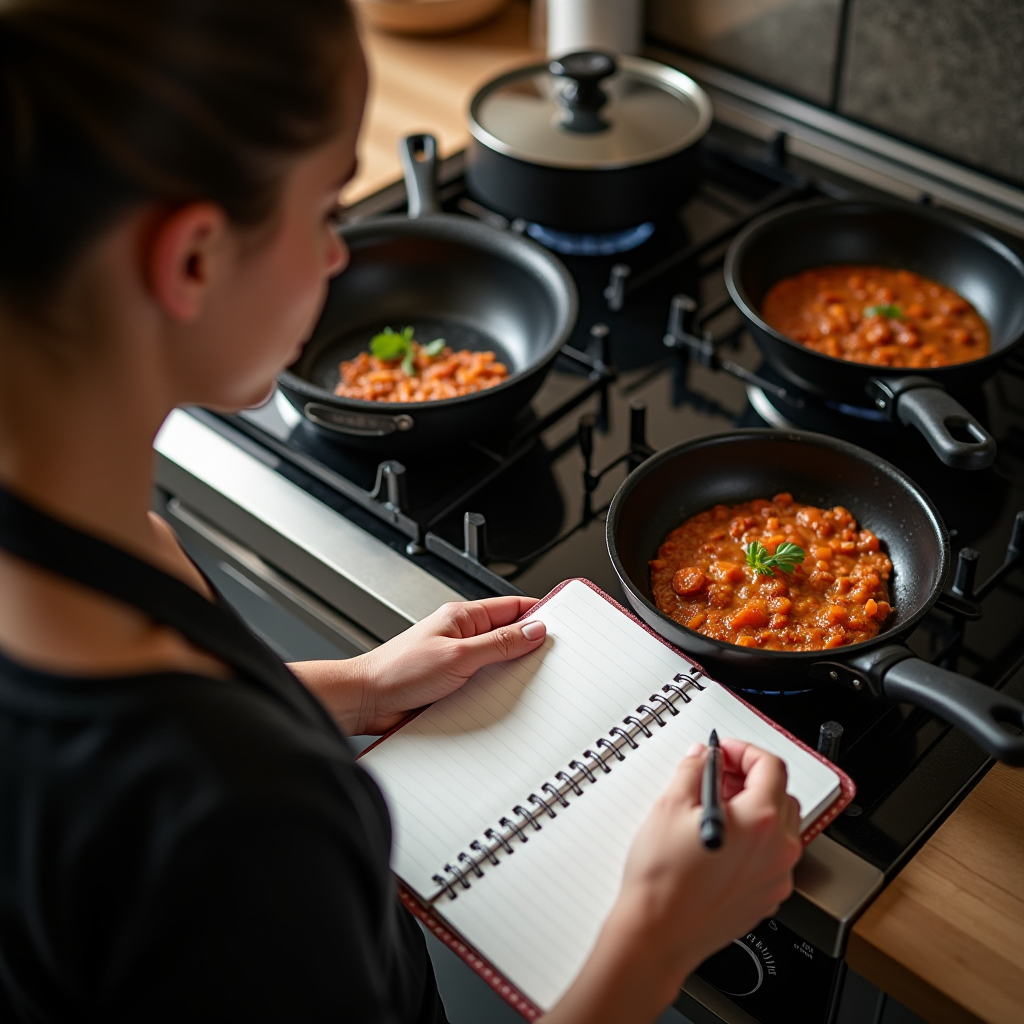
Consider dedicating practice sessions specifically to temperature control rather than trying to master it while preparing complete meals. Sauté a single type of vegetable at different heat levels and compare the results. Practice achieving and maintaining a simmer with plain water, adjusting your burner until you can hold the desired temperature consistently. Sear multiple pieces of the same protein, varying your approach with each one. This focused practice builds skills more efficiently than hoping to learn through incidental experience.
Keep notes about what works in your specific kitchen with your particular equipment. Record which burner settings produce good sautéing temperatures, how long your pans take to preheat, and which adjustments work best for different ingredients. These personal references prove invaluable as you develop your skills, providing a foundation you can build upon rather than starting from scratch with each cooking session.
Remember that mistakes provide valuable learning opportunities. When something burns, consider what visual or auditory cues you missed that could have alerted you to reduce heat. When food steams instead of browns, analyze what temperature indicators suggested insufficient heat. This reflective practice transforms errors into education, accelerating your development of reliable temperature intuition.
Conclusion: Temperature Control as a Foundation for Cooking Confidence
Mastering temperature management transforms cooking from a source of anxiety into an opportunity for creative expression. When you understand how heat affects ingredients and can recognize the visual cues that indicate proper temperature, you gain the confidence to adapt recipes, troubleshoot problems, and achieve consistent results. This foundational skill supports every other cooking technique you'll learn.
The principles covered in this guide—understanding heat transfer, recognizing visual cues, adjusting burner settings appropriately, and applying proper technique for sautéing, simmering, and searing—provide a framework for continued learning. As you practice these concepts, you'll develop the intuition that allows experienced cooks to make real-time adjustments based on what they observe. This intuitive understanding, built through repeated practice and conscious attention, represents the true goal of culinary education.
Approach temperature control as an ongoing learning process rather than a skill to be mastered once and forgotten. Each cooking session offers opportunities to refine your understanding and expand your capabilities. With patience and deliberate practice, you'll find that managing heat becomes second nature, freeing your attention to focus on other aspects of cooking and ultimately enabling you to create the dishes you envision with confidence and consistency.