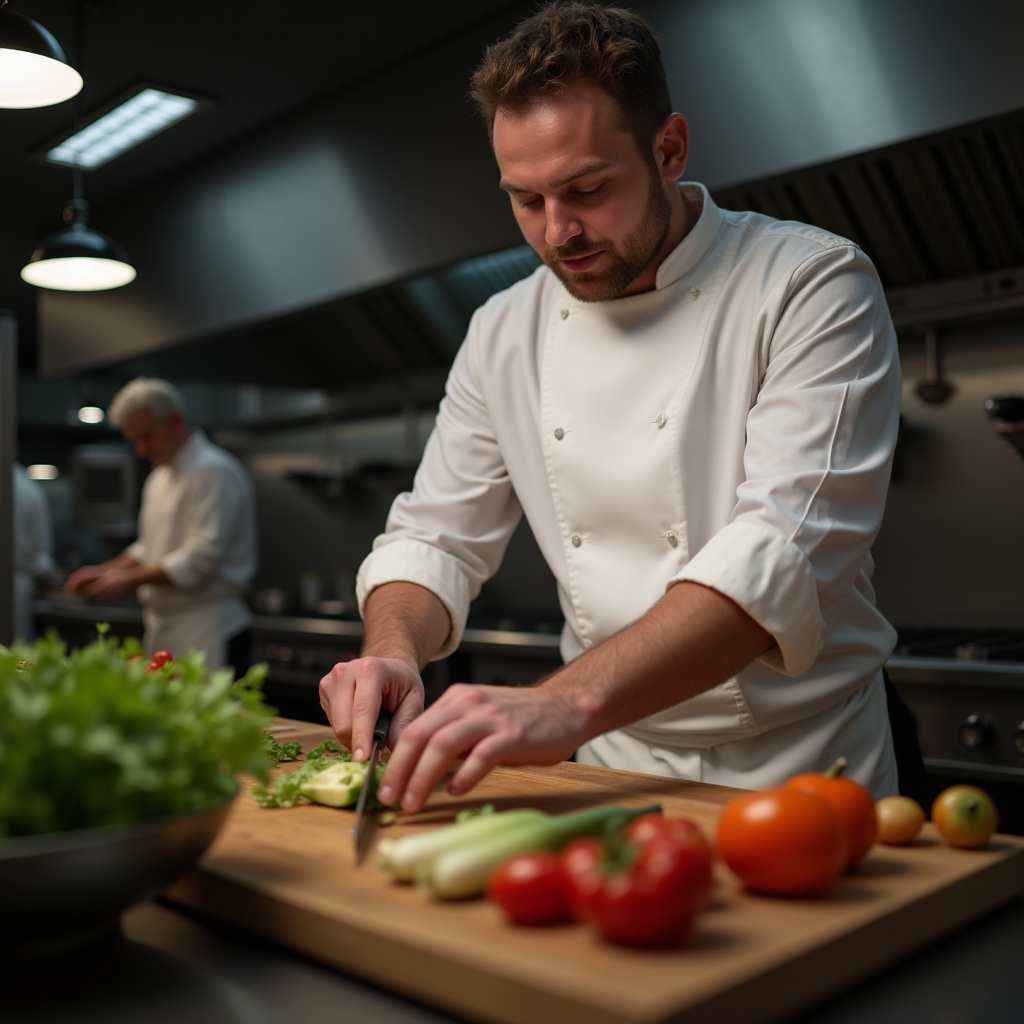
For many aspiring home cooks and culinary students, the kitchen can feel like an intimidating space filled with sharp tools and unfamiliar techniques. Among all the skills required in cooking, knife work often stands out as one of the most fundamental yet challenging to master. The journey from hesitant, awkward cuts to confident, precise movements doesn't happen overnight—it requires dedicated practice, proper guidance, and a willingness to develop muscle memory through repetition.
Understanding the connection between consistent knife skills practice and growing kitchen confidence is essential for anyone serious about improving their cooking abilities. This article explores how structured practice with fundamental cutting techniques helps students overcome common challenges, build essential muscle memory, and ultimately develop the self-assurance needed to tackle more complex culinary tasks.
Understanding Proper Grip Methods
The foundation of confident knife work begins with understanding how to hold your knife correctly. Many beginners instinctively grip the handle like they would hold a hammer, with all fingers wrapped around the handle. While this might feel secure initially, it actually reduces control and precision. The proper chef's grip involves pinching the blade between your thumb and the side of your index finger, just above where the blade meets the handle, with your remaining three fingers wrapped comfortably around the handle.
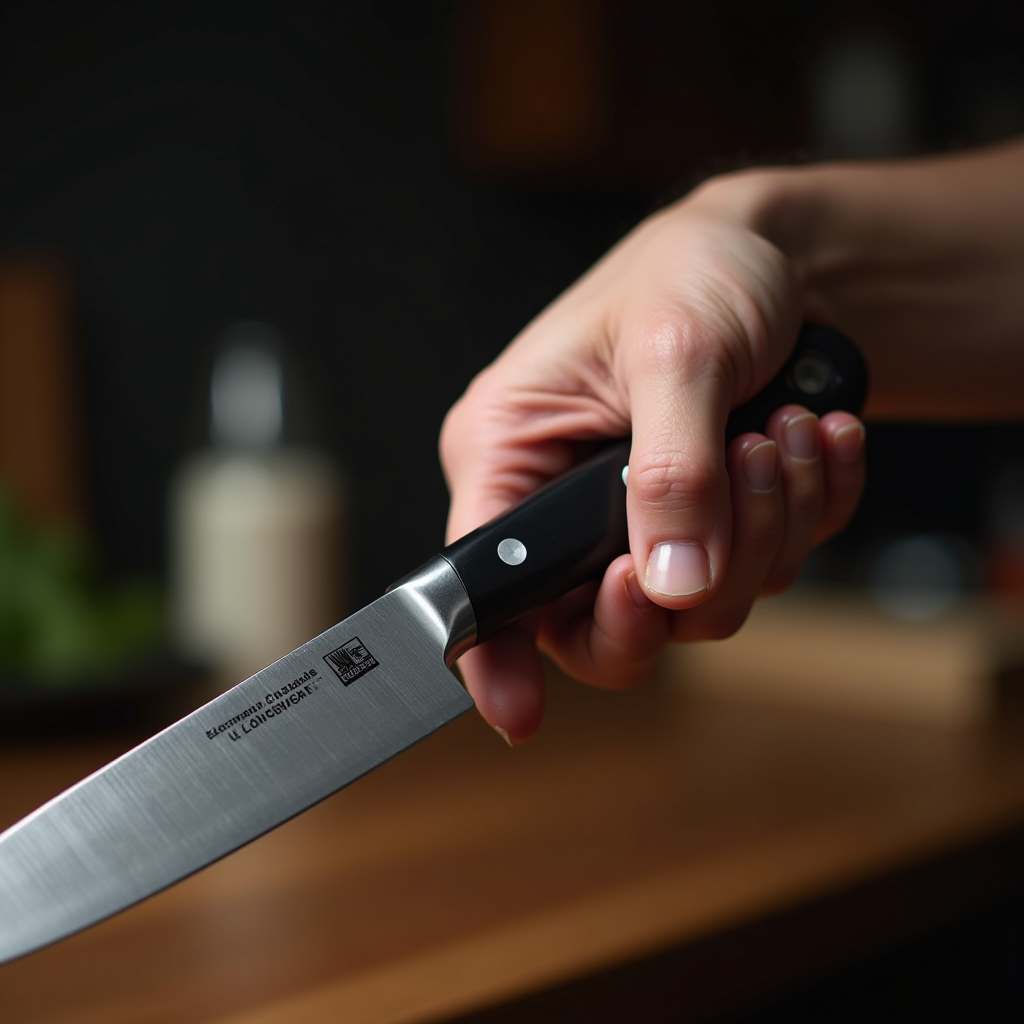
Proper knife grip provides maximum control and reduces hand fatigue during extended cutting sessions
This grip might feel awkward at first, especially if you've been cutting vegetables incorrectly for years. Your hand may tire more quickly as you adjust to the new position, and you might feel less secure initially. However, this discomfort is temporary and represents your muscles adapting to a more efficient movement pattern. With consistent practice over several weeks, this grip becomes natural and actually requires less effort than the incorrect hammer grip.
Equally important is the guiding hand—the hand that holds the food being cut. The proper technique involves curling your fingertips inward, creating a claw-like shape, with your knuckles positioned forward. This "claw grip" serves two critical purposes: it keeps your fingertips safely away from the blade, and it provides a stable guide surface for the knife to rest against as you cut. The flat side of the blade should gently touch your knuckles, which naturally guides the knife in a straight line and helps maintain consistent slice thickness.
Practicing these grip methods separately before attempting actual cutting can be incredibly beneficial. Spend time simply holding the knife correctly while standing at your cutting board, getting comfortable with the weight distribution and hand position. Similarly, practice the claw grip with your guiding hand on various vegetables, focusing on maintaining the proper finger curl and knuckle position. These seemingly simple exercises build the foundation for all future knife work and help establish good habits from the beginning.
Safe Cutting Practices and Workspace Setup
Confidence in the kitchen grows exponentially when you know you're working safely. Before even picking up a knife, proper workspace setup creates an environment where you can focus on technique rather than worrying about accidents. Start with a stable cutting board—one that doesn't slide around on your counter. A damp kitchen towel placed underneath your cutting board eliminates movement and provides a secure foundation for all your cutting work.
The height of your cutting surface matters more than many beginners realize. Your cutting board should be positioned so that when you stand with relaxed shoulders and bent elbows, your hands naturally rest on the board surface. If your board is too high, you'll tire quickly from raised shoulders; too low, and you'll develop back pain from hunching over. This ergonomic consideration becomes especially important during longer practice sessions when you're working on building muscle memory through repetition.
"A sharp knife is a safe knife. Dull blades require more pressure and are more likely to slip, while sharp knives cut cleanly with minimal force, giving you better control and reducing the risk of accidents."
Maintaining sharp knives is a safety practice that many beginners overlook. Contrary to intuition, a sharp knife is significantly safer than a dull one. When a knife is sharp, it cuts through food with minimal pressure, giving you maximum control over the blade's movement. A dull knife requires you to apply more force, increasing the likelihood that the blade will slip off the food and potentially cut your hand. Regular honing with a honing steel before each use and periodic professional sharpening keeps your knives in optimal condition.
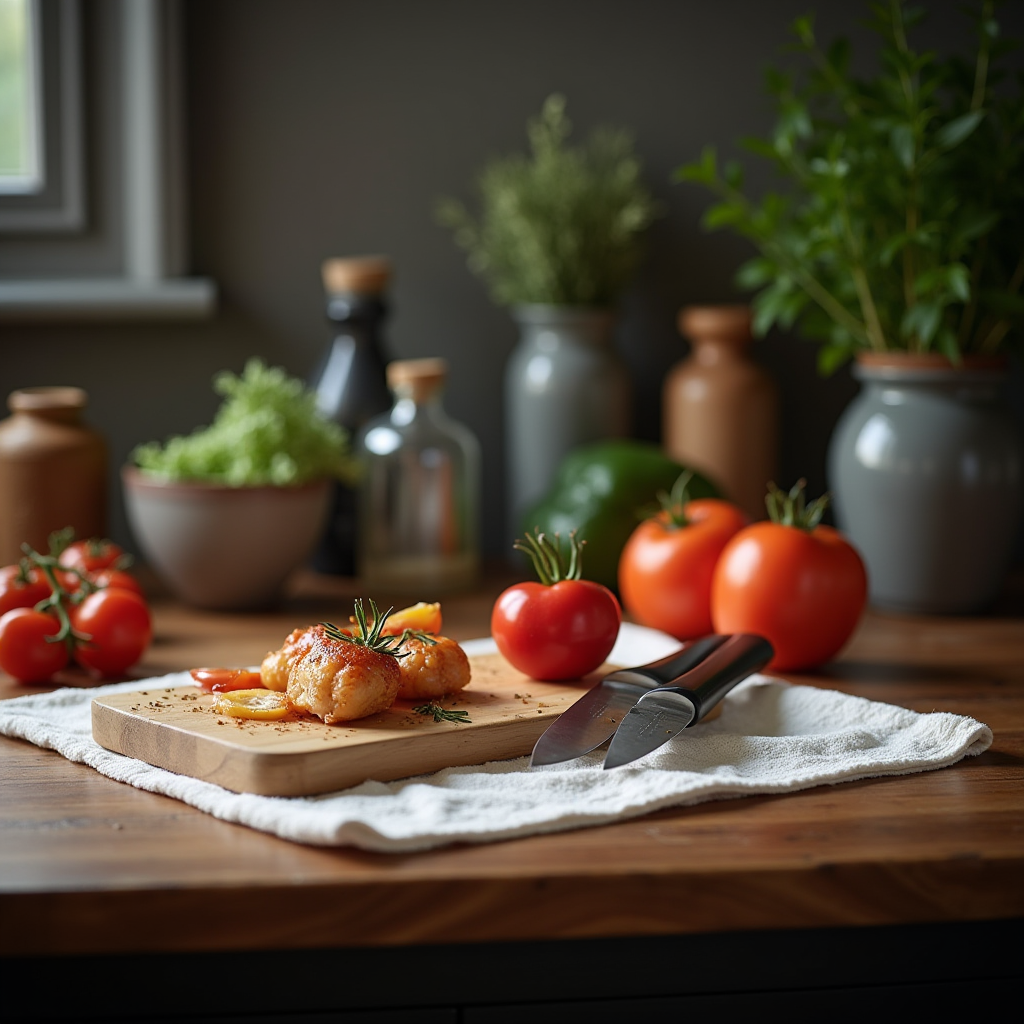
Creating clear workspace boundaries also contributes to safety and confidence. Keep your cutting area free of clutter, with only the items you're currently using within reach. Have a bowl or container nearby for scraps and cut vegetables, preventing the need to reach across your cutting board with a knife in hand. Good lighting is essential—you need to clearly see what you're cutting and where your fingers are positioned at all times. These environmental factors might seem minor, but they significantly impact your ability to focus on developing proper technique.
Progressive Exercises for Building Muscle Memory
Developing confident knife skills requires a structured approach that gradually increases in complexity. Starting with simple exercises and progressively advancing to more challenging cuts allows your hands and brain to build the neural pathways necessary for smooth, automatic movements. This progression prevents frustration and helps maintain motivation as you see steady improvement over time.
Begin with the most basic cut: slicing. Choose vegetables with stable, flat surfaces like zucchini or cucumber. Cut the vegetable in half lengthwise to create a flat base, then place it cut-side down on your board. Practice making parallel slices of consistent thickness, focusing entirely on maintaining proper grip and hand position rather than speed. Count your cuts and aim for uniformity—ten slices that are all roughly the same thickness represents better progress than twenty slices of varying sizes.
Recommended Practice Progression
Week 1-2: Basic Slicing
Practice uniform slices on stable vegetables like zucchini and cucumber. Focus on grip, posture, and consistent thickness. Aim for 15-20 minutes daily.
Week 3-4: Dicing Fundamentals
Progress to creating uniform dice from your slices. Start with larger 1-inch cubes, then work toward smaller sizes. Practice on potatoes and carrots.
Week 5-6: Julienne and Matchsticks
Develop precision with thin, uniform strips. Practice on bell peppers and carrots. This builds fine motor control and consistency.
Week 7-8: Advanced Techniques
Tackle challenging cuts like brunoise, chiffonade, and mincing. Work with herbs, onions, and garlic to refine your skills.
As you progress through these exercises, resist the temptation to rush. Speed develops naturally as a byproduct of proper technique and muscle memory—it should never be the primary focus during practice. Many culinary students make the mistake of trying to cut quickly before they've mastered the fundamental movements, which reinforces bad habits and can lead to injuries. Professional chefs move quickly not because they're trying to be fast, but because their hands have performed the same motions thousands of times and can execute them efficiently without conscious thought.
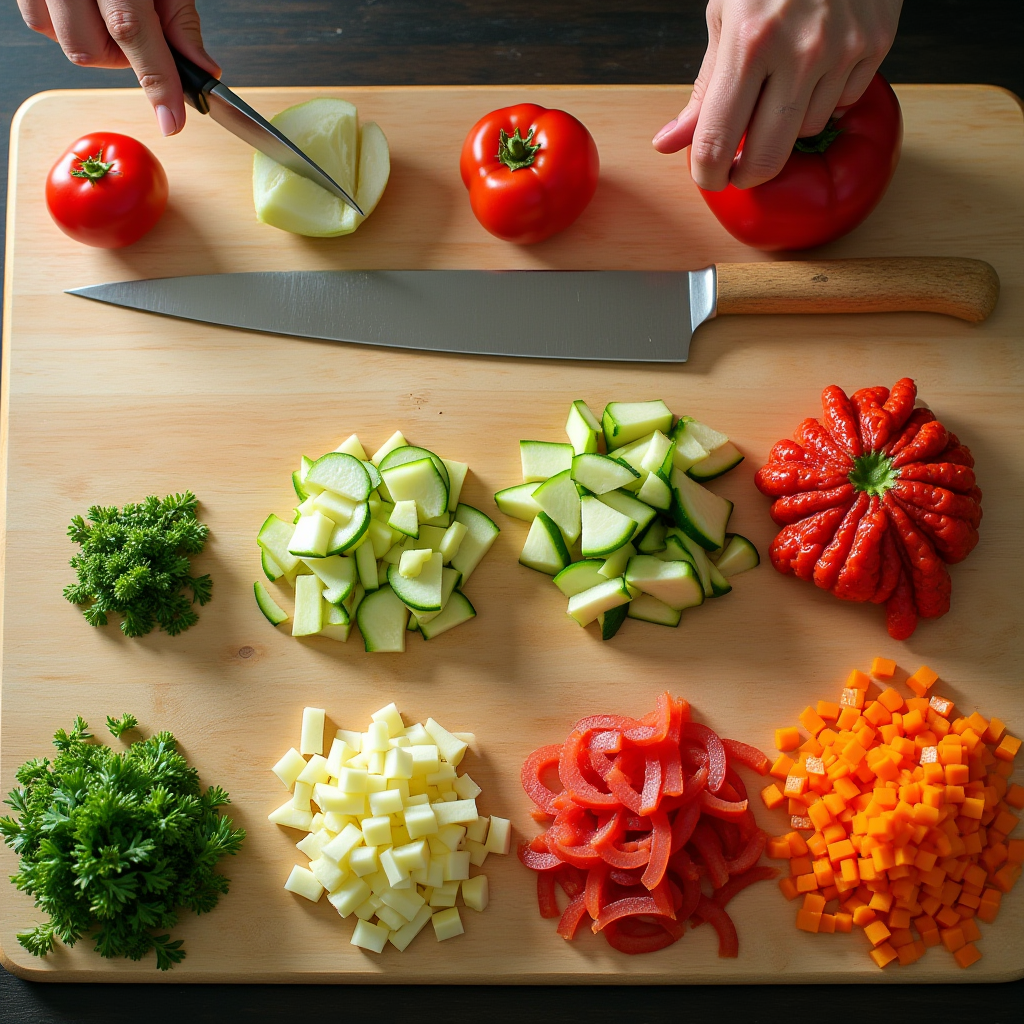
Incorporating deliberate practice sessions into your routine accelerates skill development. Set aside dedicated time—even just 15-20 minutes several times per week—specifically for knife skills practice. During these sessions, work without the pressure of preparing a meal. This focused practice allows you to concentrate entirely on technique, experiment with different approaches, and make mistakes without consequences. Many students find that their confidence grows more rapidly when they separate practice from actual cooking, as it removes the stress of time constraints and recipe requirements.
Common Challenges and How to Overcome Them
Every cooking student encounters obstacles when learning knife skills, and understanding these common challenges helps normalize the learning process. One of the most frequent issues is hand fatigue, particularly in the knife hand. When you're first learning proper grip technique, your hand muscles work in unfamiliar ways, leading to cramping and tiredness. This is completely normal and actually indicates that you're using the correct muscles. Take breaks when needed, shake out your hands, and gradually increase your practice duration as your hand strength improves.
Inconsistent cut sizes represent another common challenge that can be frustrating for beginners. You might start with relatively uniform slices, but as you continue cutting, the pieces become increasingly irregular. This typically happens because you're focusing too much on the cutting motion itself and not enough on the guiding hand. Remember that your guiding hand controls the thickness of each cut—the knife simply follows where your knuckles lead. Slow down and pay attention to moving your guiding hand backward in consistent increments between each cut.
Troubleshooting Common Issues
Problem: Vegetables Rolling While Cutting
Solution: Always create a flat, stable base first by cutting a thin slice off one side. Place the flat side down on your cutting board before proceeding with your cuts.
Problem: Knife Sticking in Dense Vegetables
Solution: Use a rocking motion rather than straight downward pressure. Let the knife's weight and sharpness do the work, and consider using a longer blade for better leverage.
Problem: Losing Focus During Repetitive Cutting
Solution: Break practice into shorter intervals with specific goals. Count your cuts, focus on one aspect of technique at a time, and take brief breaks to maintain concentration.
Fear of cutting yourself can significantly hinder progress and prevent students from developing fluid, confident movements. This anxiety often manifests as overly tentative cutting, which paradoxically increases danger by reducing control. The solution lies in building confidence gradually through the safe practices discussed earlier: proper grip, stable workspace, sharp knives, and starting with simple cuts on forgiving vegetables. As you successfully complete practice sessions without incident, your confidence naturally grows, and the fear diminishes.

Plateaus in progress are inevitable and can be discouraging. You might practice diligently for weeks, see steady improvement, and then suddenly feel like you're not getting any better. These plateaus are actually periods of consolidation where your brain is integrating new skills at a subconscious level. Continue practicing consistently through these periods, perhaps varying your practice routine or focusing on different cuts. Often, you'll experience a sudden breakthrough where everything clicks, and your skills jump to a noticeably higher level.
Integrating Skills into Real Cooking Situations
The ultimate goal of knife skills practice is to apply these techniques confidently in actual cooking situations. As your fundamental skills become more automatic, you can begin integrating them into recipe preparation. Start with simple dishes that require basic cuts—a vegetable stir-fry, for example, provides excellent practice for slicing and dicing without the pressure of complex cooking techniques. Choose recipes that allow you to focus on your knife work without being overwhelmed by other culinary challenges.
As you prepare ingredients for meals, maintain the same attention to technique that you use during dedicated practice sessions. It's tempting to rush through prep work when you're hungry or pressed for time, but this is when bad habits can creep back in. Instead, view meal preparation as an opportunity for additional practice. You might find that dinner preparation takes slightly longer initially, but this investment pays dividends as your skills become more efficient and automatic.
Building a Practice Routine
Consistency matters more than duration when developing knife skills. A structured practice routine helps maintain steady progress:
- Schedule 15-20 minute dedicated practice sessions 3-4 times per week
- Focus on one specific cut or technique per session rather than trying to practice everything
- Keep a simple log noting what you practiced and any improvements or challenges observed
- Gradually increase complexity as basic techniques become comfortable and automatic
- Apply learned techniques during regular meal preparation to reinforce muscle memory
Notice how your growing knife skills positively impact other aspects of cooking. When you can efficiently and uniformly cut ingredients, your cooking becomes more consistent because everything cooks evenly. Your mise en place—the practice of preparing and organizing ingredients before cooking—becomes more professional and efficient. You'll find yourself more willing to try recipes that previously seemed intimidating because of their prep requirements. This expanding confidence creates a positive feedback loop that accelerates your overall culinary development.
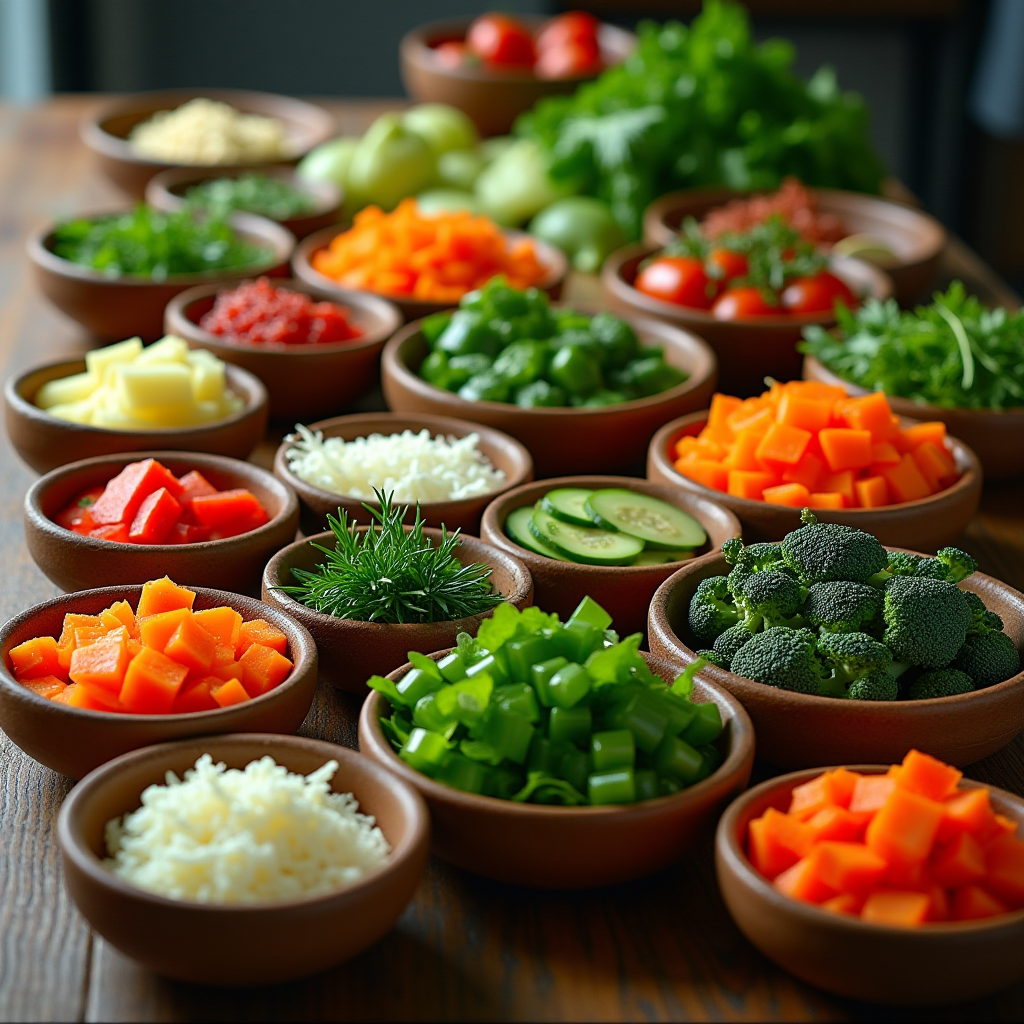
Remember that even experienced cooks continue to practice and refine their knife skills. The journey from beginner to confident practitioner isn't about reaching a final destination where you've "mastered" knife work—it's about continuous improvement and maintaining good habits. Some professional chefs still do knife skills drills regularly to keep their techniques sharp and efficient. This perspective helps remove the pressure of perfection and allows you to enjoy the process of steady, incremental improvement.
The Path Forward: Patience and Persistence
Developing confident knife skills through fundamental practice represents one of the most valuable investments you can make in your culinary education. The techniques discussed in this article—proper grip methods, safe cutting practices, progressive exercises, and strategies for overcoming common challenges—provide a roadmap for steady improvement. However, the most important ingredient in this journey is patience with yourself and commitment to consistent practice.
Your hands will develop muscle memory through repetition, your confidence will grow through successful practice sessions, and your overall cooking abilities will expand as knife work becomes second nature. Some days will feel more productive than others, and that's perfectly normal. What matters is maintaining a regular practice routine and approaching each session with focus and intention. The awkwardness and uncertainty you might feel now will gradually transform into fluid, confident movements that allow you to fully enjoy the creative aspects of cooking.
As you continue your culinary journey, remember that every professional chef started exactly where you are now—as a beginner learning to hold a knife correctly and make their first uncertain cuts. The difference between them and beginners isn't innate talent; it's simply the accumulation of thousands of hours of deliberate practice. By dedicating time to developing these fundamental skills now, you're building a foundation that will support all your future cooking endeavors and help you approach the kitchen with genuine confidence and capability.